
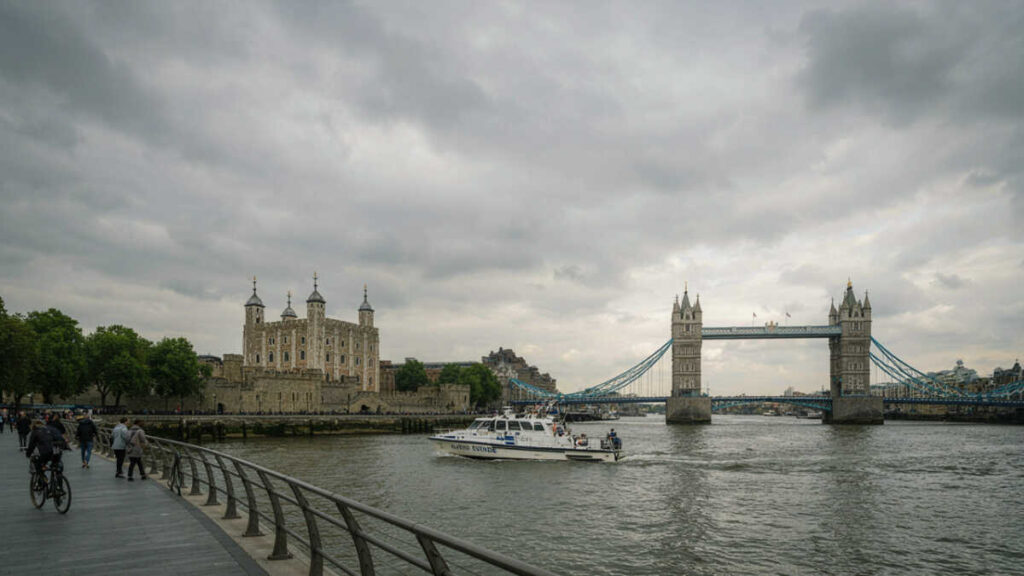
The UK is full of royal landmarks, but some places stand out because they bring history to life. From grand palaces in London to ancient castles and royal residences in Scotland, these sites offer much more than impressive architecture. They tell stories about kings, queens, political events, traditions and everyday life inside the British monarchy. If you are planning a UK trip and want to experience some of the country’s most famous royal attractions, these landmarks are excellent places to start.
1. Buckingham Palace, London
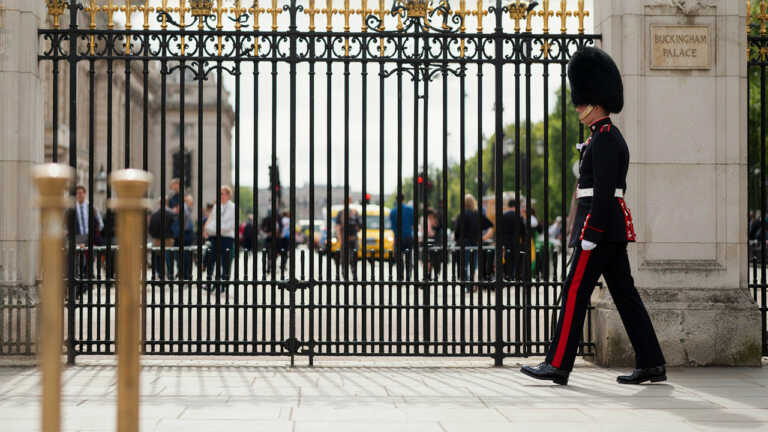
Few buildings are more closely associated with the British monarchy than Buckingham Palace. Located in central London, it is the King’s official London residence and remains a working royal palace.
The palace is particularly impressive from the outside, with its famous façade overlooking the Victoria Memorial and surrounding gardens. For visitors, however, the real highlight is the opportunity to enter the State Rooms during the periods when they are open to the public.
Inside, visitors can see richly decorated rooms used for official occasions and admire artworks and objects from the Royal Collection. The Royal Collection itself contains more than a million objects accumulated over centuries.
- It is the King’s official London residence.
- It is one of the UK’s most recognisable royal landmarks.
- The State Rooms provide a glimpse into official royal life.
- The Changing of the Guard is one of London’s best-known traditional ceremonies.
- Its central location makes it easy to combine with other London attractions.
- Visitor tip: Buckingham Palace has a more limited visitor season than some other royal attractions, so check the official schedule before planning your trip. The Royal Collection Trust currently lists it as open to visitors during specific periods rather than throughout the year.
- Official website: Buckingham Palace – Royal Collection Trust
2. Windsor Castle, Berkshire
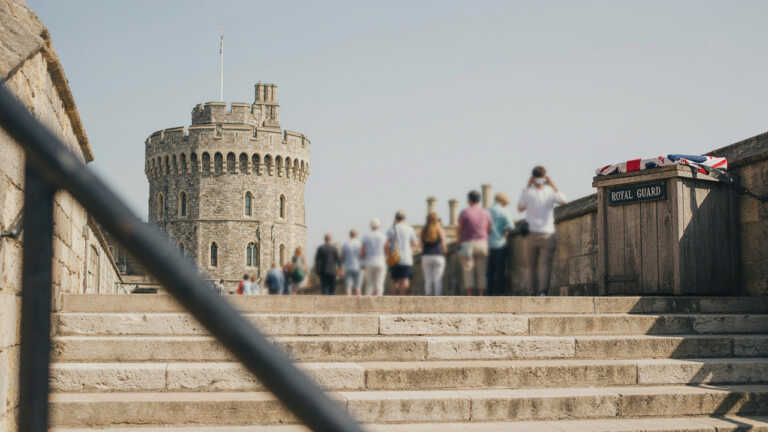
If you want to explore centuries of British royal history in one place, Windsor Castle is hard to beat.
Situated in Windsor, just outside London, the castle has more than 1,000 years of royal history. Royal Collection Trust describes it as the oldest and largest occupied castle in the world. It was founded by William the Conqueror in the 11th century and has been home to 40 monarchs.
Walking around Windsor Castle feels very different from visiting a modern city attraction. The enormous walls, towers and historic rooms show how royal residences evolved from medieval fortresses into grand homes.
One of the major highlights is the State Apartments, where visitors can see impressive interiors and works of art. St George’s Chapel is another important part of the visit and has a long connection with the royal family.
A newer attraction worth checking out in 2026 is the Venus Garden, which Royal Collection Trust says is included as part of the standard summer visit.
- More than a millennium of royal history
- Impressive State Apartments
- Historic St George’s Chapel
- Medieval castle architecture
- Easy to combine with a visit to Windsor town
- Visitor tip: Allow several hours if you want to explore the castle without rushing. Comfortable shoes are a good idea because there is plenty of walking.
- Official website: Windsor Castle – Royal Collection Trust
3. Tower of London, London
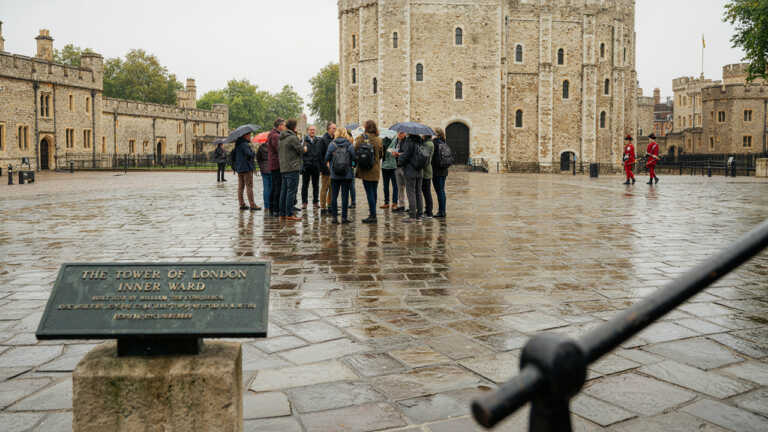
The Tower of London is one of the UK’s most fascinating royal landmarks because its story is far more complicated than simply being a castle.
The fortress dates back almost 1,000 years. William the Conqueror began constructing the famous stone fortress in the 1070s, and over the centuries it served as a fortress, royal palace, prison and home to important institutions.
Today, visitors can explore the White Tower, battlements and other historic areas. The Crown Jewels are among the biggest attractions, while the Yeoman Warder tours add another layer to the experience.
The Tower is also a UNESCO World Heritage Site, making it especially interesting for visitors who enjoy combining British history with architecture.
- The Crown Jewels
- The White Tower
- Historic battlements
- Yeoman Warder tours
- Medieval buildings and exhibitions
- Stories from nearly 1,000 years of history
- Visitor tip: Don’t try to squeeze everything into a very short visit. Historic Royal Palaces recommends allowing at least three hours, depending on queues and how much you want to explore.
- Official website: Tower of London – Historic Royal Palaces
4. Kensington Palace, London
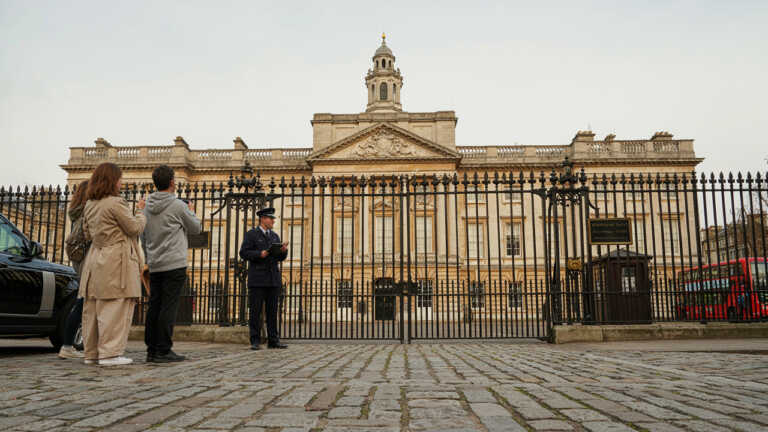
For travellers who want a royal attraction surrounded by one of London’s most beautiful green spaces, Kensington Palace is a great choice.
The palace has more than 300 years of royal history and is particularly associated with Queen Victoria, who was born there. Its historic rooms and exhibitions provide a more intimate experience than some of the UK’s enormous royal landmarks.
Kensington Palace is located within Kensington Gardens, making it easy to combine a palace visit with a relaxing walk outdoors.
Historic Royal Palaces currently recommends allowing around 2–3 hours for a visit to Kensington Palace and Kensington Gardens.
One important point for 2026 visitors is that the Queen’s State Apartments are closed until spring 2027 while major work is being carried out. It’s worth checking the latest visitor information before purchasing tickets.
- Strong connections with Queen Victoria and other royal figures
- Historic royal apartments
- Exhibitions and displays
- Beautiful Kensington Gardens nearby
- Convenient London location
- Visitor tip: Pair your palace visit with a walk through Kensington Gardens. It makes the trip feel less rushed and gives you time to enjoy the surrounding area.
- Official website: Kensington Palace – Historic Royal Palaces
5. Palace of Holyroodhouse, Edinburgh
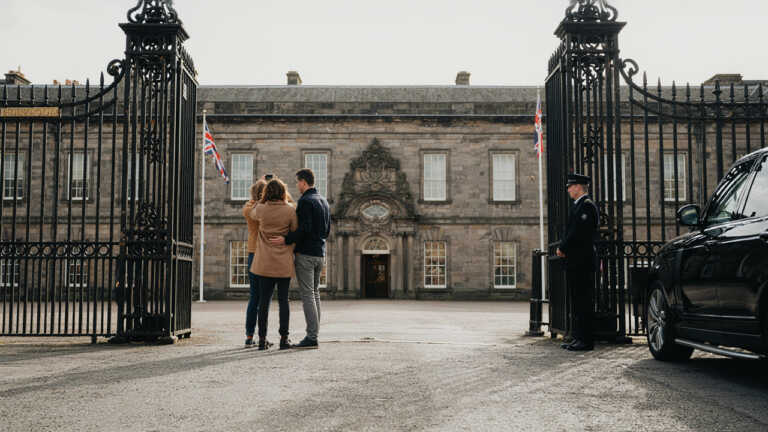
Royal history isn’t limited to England. If you’re travelling to Scotland, make time for the Palace of Holyroodhouse at the bottom of Edinburgh’s Royal Mile.
The palace is the King’s official residence in Edinburgh and has strong connections with Scottish royal history. Its story includes famous figures such as Mary, Queen of Scots and Bonnie Prince Charlie.
Visitors can explore the State Apartments, Great Gallery, Throne Room and palace gardens. The remains of Holyrood Abbey beside the palace add another historic dimension to the visit.
In 2026, visitors can also look for special programming connected with Queen Elizabeth II’s private apartments. Royal Collection Trust says these apartments are being opened to visitors for the first time as part of a 2026 programme.
- State Apartments
- Mary, Queen of Scots’ historic connections
- Great Gallery
- Holyrood Abbey
- Palace gardens
- Royal exhibitions and special events
- Visitor tip: Combine the palace with a walk along Edinburgh’s Royal Mile. You can easily turn the visit into a full day of Scottish history and sightseeing.
- Official website: Palace of Holyroodhouse – Royal Collection Trust
6. Hampton Court Palace, London
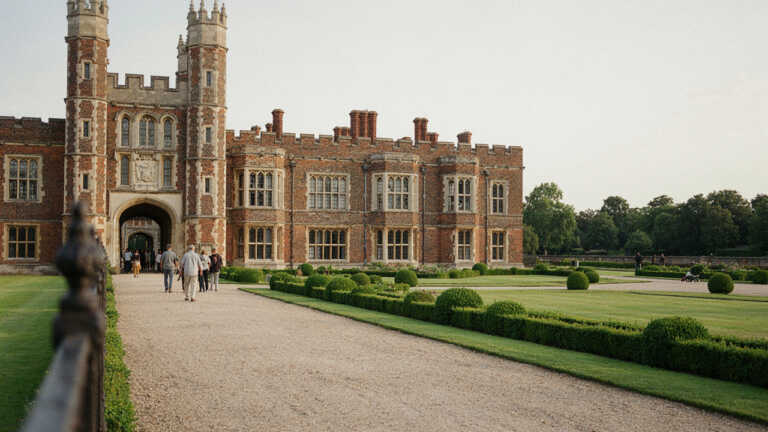
Hampton Court Palace is one of the UK’s most fascinating historic royal residences. Located southwest of central London, the palace is especially famous for its connection with Henry VIII and the Tudor period.
The palace combines medieval-style Tudor architecture with later Baroque additions, creating a distinctive mix of architectural styles. Inside, visitors can explore the Great Hall, royal apartments, kitchens and historic exhibitions.
The gardens are another major attraction. The famous maze is particularly popular with visitors, while the surrounding grounds provide plenty of space to explore.
- Strong connection with Henry VIII
- Magnificent Tudor architecture
- Historic royal kitchens
- Extensive gardens
- Famous Hampton Court Maze
- Visitor tip: Give yourself several hours because there is a lot to see both inside the palace and outdoors.
- Official website: Hampton Court Palace – Historic Royal Palaces
7. Edinburgh Castle, Edinburgh
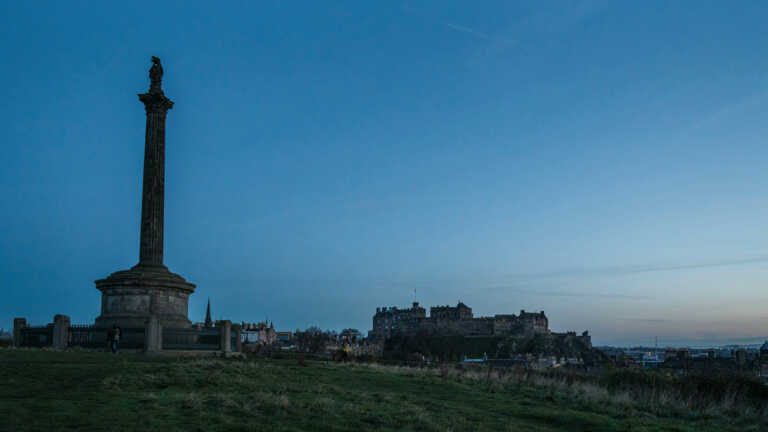
Sitting dramatically on Castle Rock, Edinburgh Castle is one of Scotland’s most recognisable landmarks. Its elevated position provides spectacular views across Edinburgh and makes the castle hard to miss when exploring the city.
The castle has played an important role in Scotland’s military and royal history for centuries. Visitors can explore historic buildings, exhibitions and areas connected with Scottish monarchs.
The Honours of Scotland, also known as the Scottish Crown Jewels, are among the highlights. The castle is also home to the Stone of Destiny, which has an important place in Scottish coronation history.
- Spectacular location on Castle Rock
- Scottish royal history
- The Honours of Scotland
- Historic military buildings
- Excellent Edinburgh views
- Visitor tip: The castle can get busy, particularly during peak tourist periods, so checking the official visitor information before going is worthwhile.
- Official website: Edinburgh Castle – Historic Environment Scotland
8. Kensington Palace, London
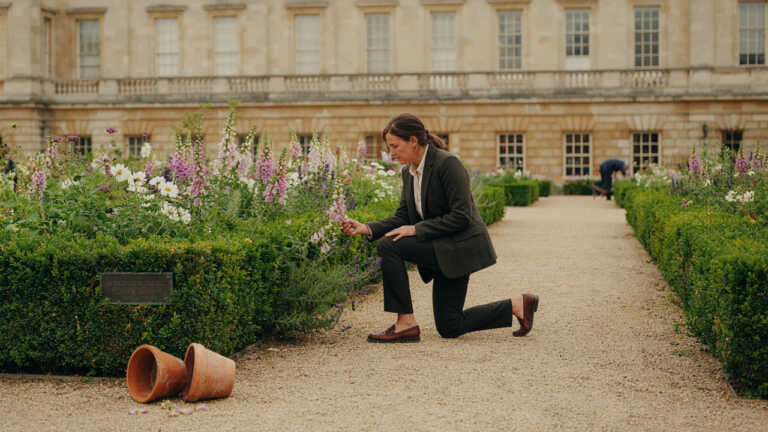
If you’re expanding the original list, Kensington Palace can also be featured from another angle, particularly for its royal connections and beautiful setting in Kensington Gardens.
The palace has been a royal residence since the 17th century and has connections with several generations of the royal family. Queen Victoria was born and raised there, giving the palace a particularly interesting place in British royal history.
Visitors can explore exhibitions and historic areas while also enjoying the surrounding gardens.
- More than 300 years of royal history
- Connection with Queen Victoria
- Historic royal apartments
- Beautiful Kensington Gardens
- Convenient location in London
- Visitor tip: Check which palace rooms and exhibitions are open before visiting because access can change during restoration work.
- Official website: Kensington Palace – Historic Royal Palaces
9. St James's Palace, London
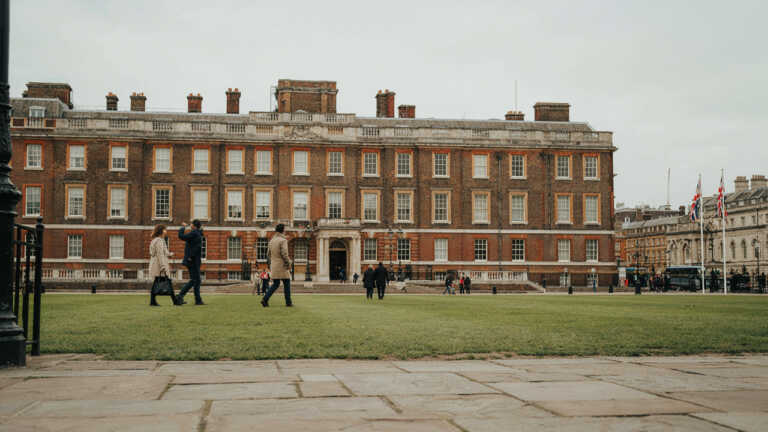
St James’s Palace is one of London’s most historic royal buildings. Built during the reign of Henry VIII, it has remained closely connected with the monarchy for centuries.
Although it isn’t generally open to the public as a regular tourist attraction, its historical importance makes it worth knowing about when exploring London’s royal heritage.
The palace was the official residence of British monarchs for more than 300 years before Buckingham Palace took on that role. Today, it continues to have an important ceremonial and administrative role within the royal household.
- Historic Tudor architecture
- Built during Henry VIII’s reign
- Former principal royal residence
- Important connection to British monarchy
- Located close to other central London landmarks
- Visitor tip: Since regular public tours aren’t generally available, view the palace from the surrounding public areas and combine it with nearby St James’s Park, Buckingham Palace and The Mall.
- Official website: St James’s Palace – The Royal Family
10. Stirling Castle, Scotland
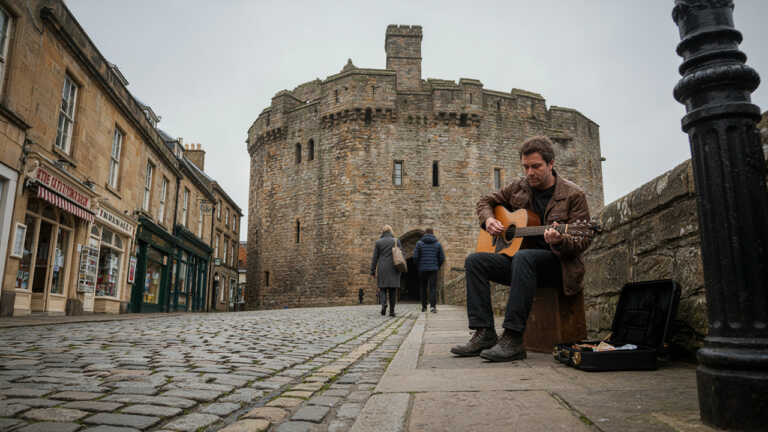
For travellers interested in Scotland’s royal past, Stirling Castle is a fantastic addition to the list.
The castle occupies a strategic position above the city of Stirling and was once one of Scotland’s most important royal residences. Several Scottish monarchs lived and held court here, and the castle is strongly associated with the Stewart dynasty.
Its Royal Palace has been restored to reflect the appearance of the 16th century, giving visitors an opportunity to understand what royal life could have looked like during the Renaissance period.
The Great Hall and Chapel Royal are also important parts of the complex.
- Major Scottish royal residence
- Beautiful views over the surrounding landscape
- Restored Renaissance interiors
- Connections with Scottish monarchs
- Interesting exhibitions and historic buildings
- Visitor tip: Plan extra time to explore Stirling itself. The castle works particularly well as part of a wider Scottish history itinerary.
- Official website: Stirling Castle – Historic Environment Scotland
11. Clarence House, London
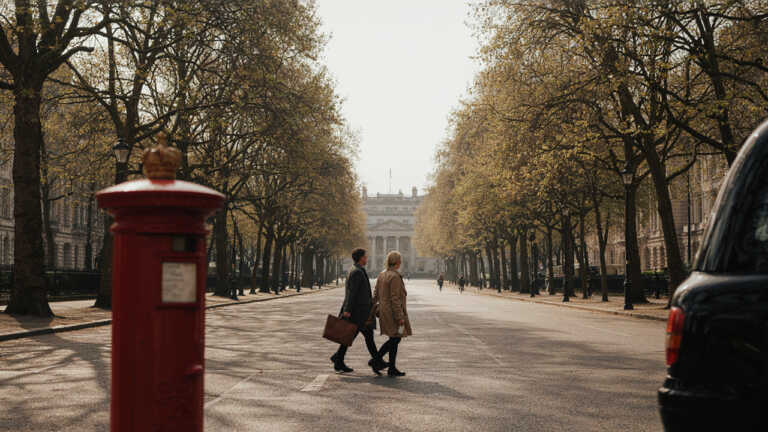
Clarence House sits beside St James’s Palace in central London and has a long connection with the British royal family. Built in the early 19th century, it was originally created for the Duke of Clarence, who later became King William IV.
The house is particularly interesting because it feels more like a traditional royal home than a huge palace. Visitors who enter during public opening periods can see several rooms used for official and private occasions.
Its location also makes it easy to combine with St James’s Park, Buckingham Palace and The Mall.
- Historic royal residence
- Interesting Georgian architecture
- Connection with several generations of the royal family
- Central London location
- More intimate than many large palaces
- Official website: Clarence House – Royal Collection Trust
12. Holyrood Abbey, Edinburgh
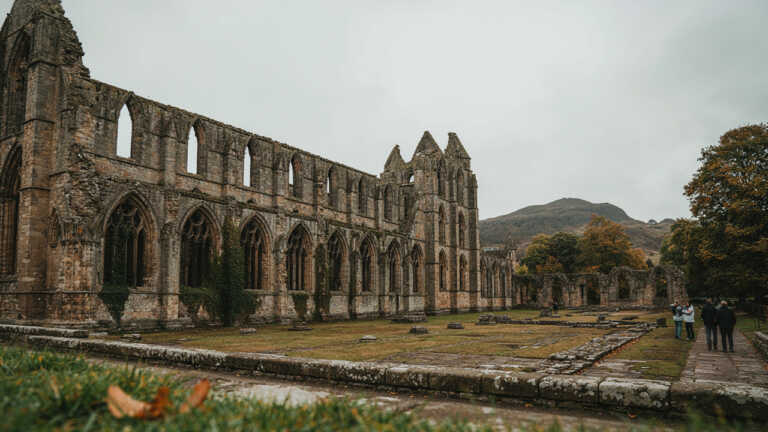
Located beside the Palace of Holyroodhouse, Holyrood Abbey is one of Edinburgh’s most atmospheric historic sites.
The abbey was founded in the 12th century and became closely connected with Scottish royalty. Although much of the building is now in ruins, its remaining Gothic architecture gives visitors a strong sense of its former importance.
The abbey and palace make a natural combination when exploring Edinburgh’s Royal Mile.
- Medieval Scottish history
- Historic royal connections
- Striking ruined architecture
- Located beside Holyroodhouse
- Excellent stop for history lovers
- Visitor tip: Check the Palace of Holyroodhouse visitor information before your trip, as access arrangements can vary.
- Official website: Palace of Holyroodhouse – Royal Collection Trust
13. Scone Palace, Perthshire
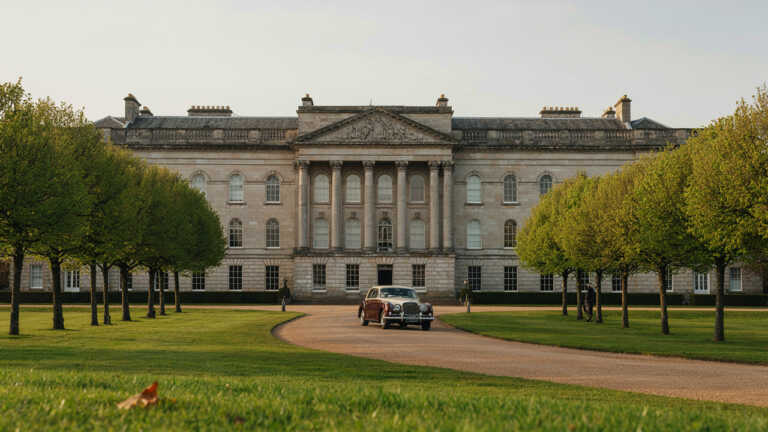
Scone Palace is an excellent choice for anyone interested in Scotland’s royal and political history. Near Perth, the palace stands on a site strongly associated with the ancient Scottish coronation tradition.
Scone is especially famous because Scottish kings were traditionally crowned at nearby Moot Hill. The site is therefore connected with some of the most important moments in Scotland’s medieval history.
Today, visitors can explore the palace, gardens and surrounding estate.
- Deep Scottish royal history
- Connection with Scottish coronations
- Historic interiors
- Beautiful gardens and grounds
- Interesting destination outside Edinburgh
- Visitor tip: Scone Palace is best suited to a day trip from Perth or as part of a wider Scotland itinerary.
- Official website: Scone Palace
14. Balmoral Castle, Aberdeenshire
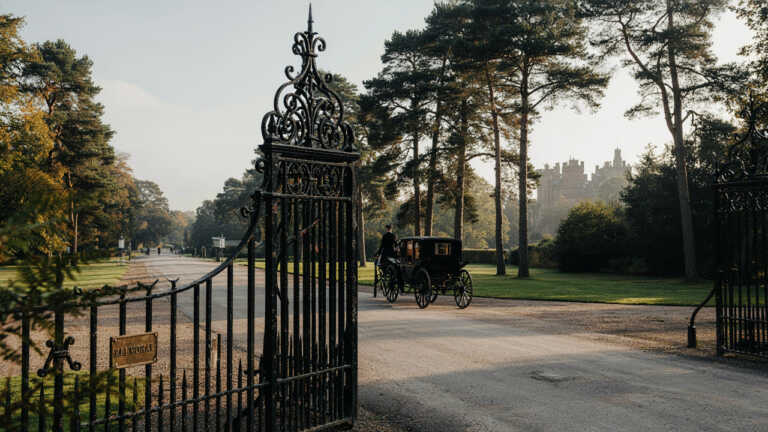
Set in the Scottish Highlands, Balmoral Castle offers a very different royal experience from London’s grand palaces.
The estate was purchased by Queen Victoria and Prince Albert in the 19th century and became one of the royal family’s best-known Scottish retreats. Its location amid mountains, forests and open countryside is a major part of its appeal.
Visitors can explore parts of the estate during the periods when it is open to the public, although access to the castle itself is subject to the current visitor programme.
- Beautiful Highland setting
- Strong connection with Queen Victoria and Prince Albert
- Historic royal estate
- Extensive countryside
- Very different atmosphere from London’s palaces
- Visitor tip: Check the current opening arrangements before travelling because public access is seasonal and can change.
- Official website: Balmoral Castle
15. Hillsborough Castle and Gardens, Northern Ireland
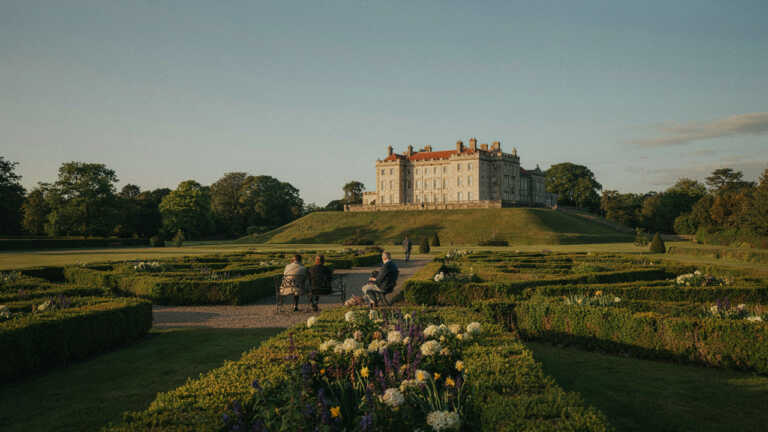
Northern Ireland also has an important royal residence: Hillsborough Castle and Gardens in County Down.
The elegant Georgian house is the official royal residence in Northern Ireland and has been used for important meetings and ceremonial occasions. Unlike some royal sites that are mainly associated with distant history, Hillsborough Castle has continued to play a role in modern public life.
Visitors can explore the historic State Rooms and extensive gardens.
- Northern Ireland’s official royal residence
- Georgian architecture
- Historic State Rooms
- Beautiful gardens
- Connection with important modern events
- Visitor tip: Combine the castle with a visit to the village of Hillsborough and allow extra time for the gardens.
- Official website: Hillsborough Castle and Gardens – Historic Royal Palaces
Frequently Asked Questions (FAQ)
What is the most famous royal landmark in the UK?
Buckingham Palace is one of the UK’s most famous royal landmarks and a major London attraction.
Which royal landmark is best for history lovers?
Windsor Castle and the Tower of London are excellent choices for visitors interested in British history.
Can tourists visit royal palaces in the UK?
Yes. Many royal residences are open to visitors during specific seasons or dates. Check the official website before visiting.
Which royal landmark is best in Scotland?
Edinburgh Castle, Holyroodhouse and Stirling Castle are among the top choices for exploring Scotland’s royal history.
Are UK royal landmarks suitable for families?
Yes. Many offer exhibitions, gardens, historic buildings and activities that can make a visit interesting for families.

Hi, I’m Rasel Miah, the creator of Ultimate Travel Diary. I enjoy exploring travel destinations, hotels, local food, and hidden gems across the USA and beyond. Through this blog, I share travel guides, hotel reviews, and helpful tips based on personal research and experience to help travelers plan better trips.