
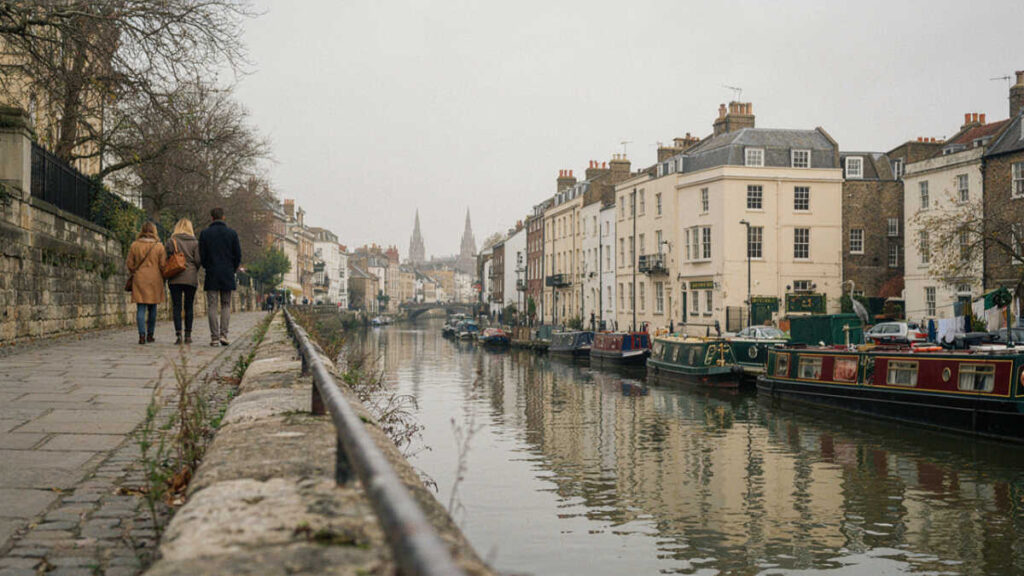
If you love historic streets, old stone buildings, independent shops, cosy cafés, and places that still have a strong connection with the past, the UK has plenty of towns worth exploring. Some of the best experiences are not always found in the biggest cities. Across England, Scotland, Wales, and Northern Ireland, you can find charming old towns where medieval streets, ancient walls, historic markets, and traditional architecture are still part of everyday life. For this guide, I’ve picked 15 old towns that offer something different. Whether you enjoy history, photography, local food, shopping, or simply wandering around beautiful streets, these destinations are well worth adding to your UK travel list.
1. York, England
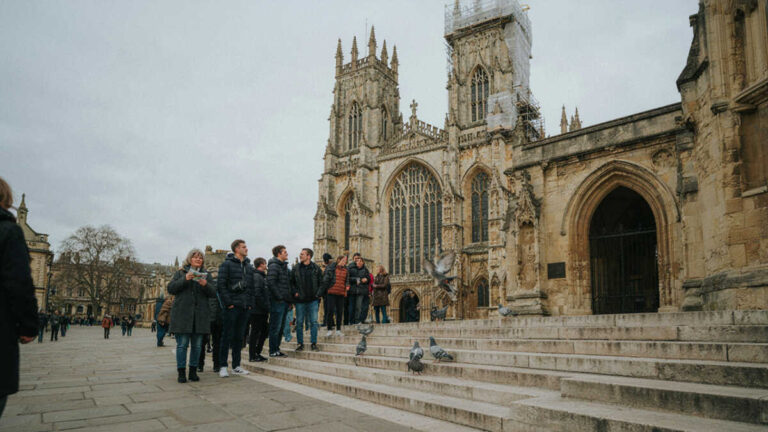
York is one of the easiest places in the UK to fall in love with if you enjoy history. The city has more than 2,000 years of history, with Roman, Viking, medieval, Georgian, and Victorian influences visible around the city centre.
The famous Shambles is one of the first places most visitors want to see. Its narrow street and timber-framed buildings give you a real sense of medieval York. Instead of simply walking through it, take your time and explore the surrounding small lanes and independent shops.
Another highlight is York’s historic city wall. The walkway provides a different perspective of the city and is free to access, although sections can close during poor weather or conservation work.
- Walk along York’s historic city walls
- Explore the Shambles
- Visit York Minster
- Discover York’s Viking history at JORVIK
- Explore the city’s independent shops and cafés
- Visit museums and historic buildings
- Enjoy a relaxed walk through the medieval centre
- York is also a great choice for a short city break because many major attractions are close together. The official tourism organisation describes the city as compact, with a huge amount to explore within walking distance.
- Best for: History lovers, first-time UK visitors, families, photographers, and weekend breaks.
2. Chester, England
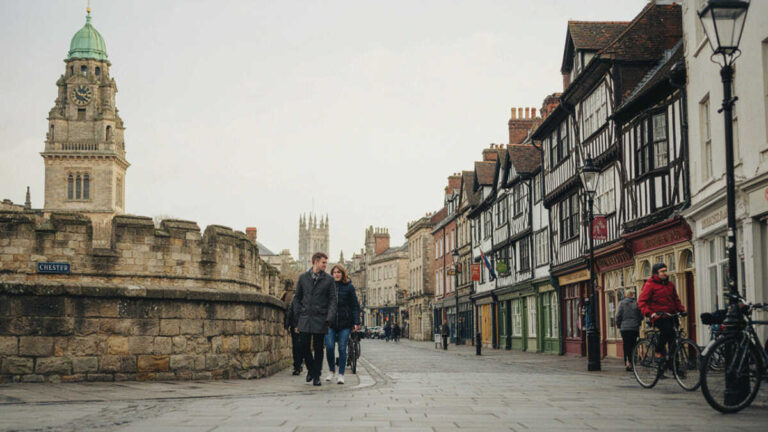
Chester is another fantastic destination for anyone who enjoys old architecture and fascinating history. Located in Cheshire, the city has strong Roman roots and is surrounded by historic walls.
One of Chester’s most unusual features is The Rows. These distinctive two-level galleries run along several of the city’s main streets. Today, they contain shops, cafés, restaurants, and other businesses, making them part of everyday life rather than simply historic monuments.
The city’s history goes much further back than the medieval period. Chester developed around the Roman fortress of Deva Victrix, and traces of its Roman past can still be found throughout the city.
Walking around the centre is one of the best ways to experience Chester. You can combine sightseeing with shopping, stop for lunch, and then continue exploring the old streets.
- Walk around the historic city walls
- Explore Chester Rows
- Visit Chester Cathedral
- Discover the Roman Amphitheatre
- Explore the old city centre
- Stop at independent cafés and shops
- Take a walking tour to learn more about the city’s past
- Chester works particularly well for travellers who want history without giving up modern comforts. Its historic centre is lively, with plenty of places to eat, shop, and relax.
- Best for: Roman history, architecture, shopping, couples, and weekend trips.
- Useful website: Visit Chester & Cheshire
3. Rye, East Sussex
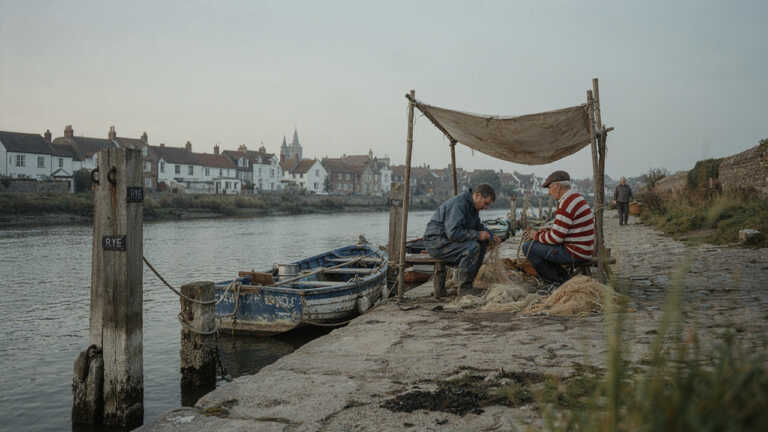
If your idea of a charming British town involves cobbled streets, old timber-framed buildings, historic inns, and independent shops, Rye should be high on your list.
This small East Sussex town has a fascinating past. Rye was once an important fortified medieval port and was part of the Cinque Ports confederation. Over the centuries, changes to the coastline caused the harbour to silt up, transforming the town’s role and landscape.
One of the most recognisable places in Rye is Mermaid Street, where historic buildings and traditional architecture create one of the town’s most photographed scenes.
You can also explore the remains of Rye’s defensive past, including Ypres Tower and the Landgate. St Mary’s Church is another important landmark, and visitors can climb its tower for views across the surrounding landscape.
Rye is particularly enjoyable when you don’t have a strict schedule. Spend some time walking through the historic streets, browsing independent shops, and stopping at a traditional café or pub.
- Walk along Mermaid Street
- See Ypres Tower
- Visit St Mary’s Church
- Explore the historic Landgate
- Browse independent shops and galleries
- Visit Rye Harbour Nature Reserve
- Take a day trip towards Camber and the coast
- Rye’s compact size makes it easy to explore on foot, while its surrounding countryside and coastline give visitors plenty of options for extending their trip.
- Best for: Couples, photographers, history enthusiasts, slow travel, and weekend getaways.
- Useful website: Visit Rye
4. Ludlow, Shropshire
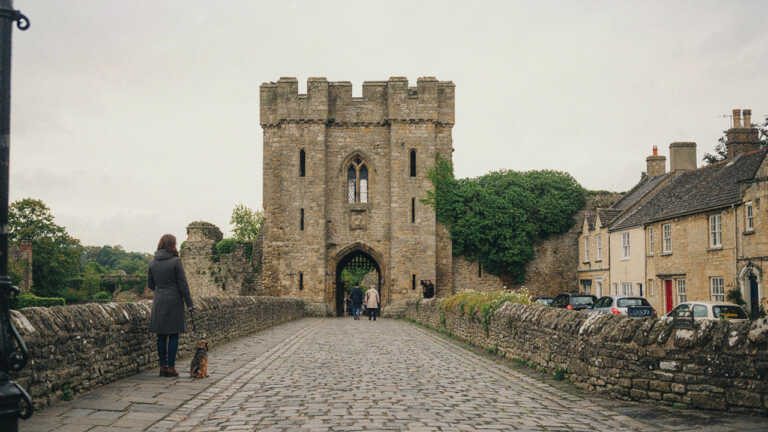
Ludlow is a wonderful choice if you want somewhere historic but a little less obvious than York or Chester.
This attractive market town in south Shropshire sits close to the Welsh border. Its town centre still follows much of its original medieval layout and contains architecture from several different periods, including medieval, Tudor, and Georgian buildings.
The main landmark is Ludlow Castle, which dominates the historic centre. Around Castle Square, you can see layers of architecture spanning centuries, making a simple walk through town feel almost like an outdoor history lesson.
Ludlow also has a strong market-town character. Local markets, independent retailers, cafés, restaurants, historic inns, and traditional buildings make it more than just a place to visit for an hour or two.
- Explore Ludlow Castle
- Walk around Castle Square
- Visit St Laurence’s Church
- Browse the local market
- Explore independent shops
- Try local food at cafés and restaurants
- Wander through the historic streets
- According to Ludlow Town Council, the town centre contains nearly 500 listed buildings from different periods, highlighting just how much historic architecture is concentrated here.
- Best for: History lovers, food-focused travellers, architecture enthusiasts, and relaxed weekend trips.
- Useful website: Ludlow Town Council – Visit Ludlow
5. Stamford, Lincolnshire
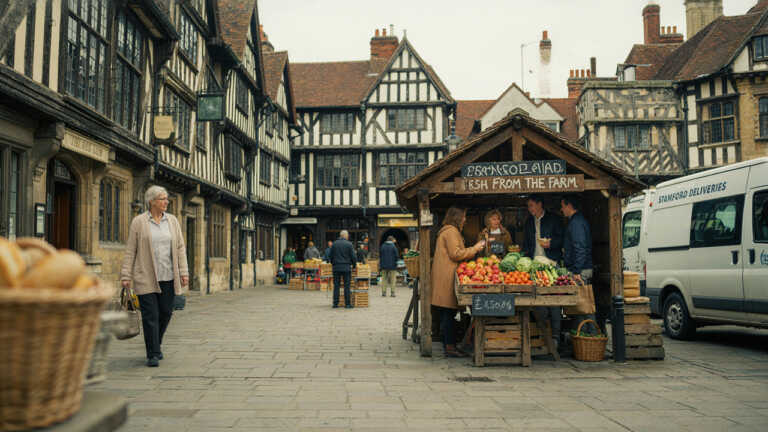
Stamford is one of those places that can surprise you. Its historic centre is filled with attractive stone buildings, old streets, independent businesses, and impressive architecture.
The town has a strong connection with English history and architecture, but what makes Stamford especially appealing is how naturally its historic character fits into modern life.
Instead of feeling like an open-air museum, Stamford is a working town where people shop, eat, work, and live among centuries-old buildings.
A walk through the centre is the best way to appreciate its character. Take your time rather than rushing between individual attractions. Look at the buildings, explore the side streets, and stop at one of the local cafés.
- Explore the historic town centre
- Walk along the River Welland
- Visit Stamford’s historic churches
- Browse independent shops
- Enjoy cafés and restaurants
- Take photographs of the old buildings
- Visit nearby historic attractions
- Stamford is particularly appealing to travellers who prefer a quieter alternative to the UK’s major tourist cities.
- Best for: Architecture, photography, peaceful day trips, couples, and history enthusiasts.
6. Stratford-upon-Avon, Warwickshire
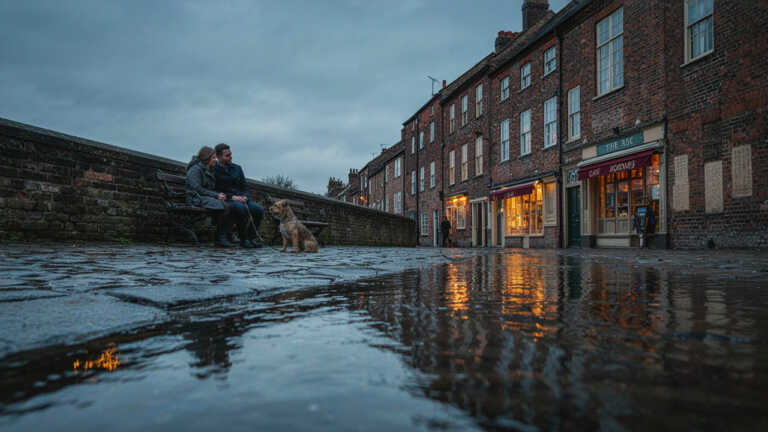
Stratford-upon-Avon is one of England’s most famous historic towns and a great destination for anyone interested in literature and traditional English architecture. It is best known as the birthplace of William Shakespeare, but there is much more to explore beyond Shakespeare-related attractions.
The town centre has attractive timber-framed buildings, historic streets, independent shops, cafés, and theatres. A walk along the River Avon is another enjoyable way to experience the town, particularly when the weather is pleasant.
The Shakespeare Birthplace, Hall’s Croft, Nash’s House, and Anne Hathaway’s Cottage are among the key attractions associated with the famous playwright.
- Visit Shakespeare’s Birthplace
- Explore Anne Hathaway’s Cottage
- Walk beside the River Avon
- Visit the Royal Shakespeare Theatre
- Explore historic streets and buildings
- Take a boat trip on the river
- Enjoy traditional cafés and restaurants
- Best for: Literature lovers, families, history enthusiasts, and weekend visitors.
- Useful website: Visit Stratford-upon-Avon
7. Whitby, North Yorkshire
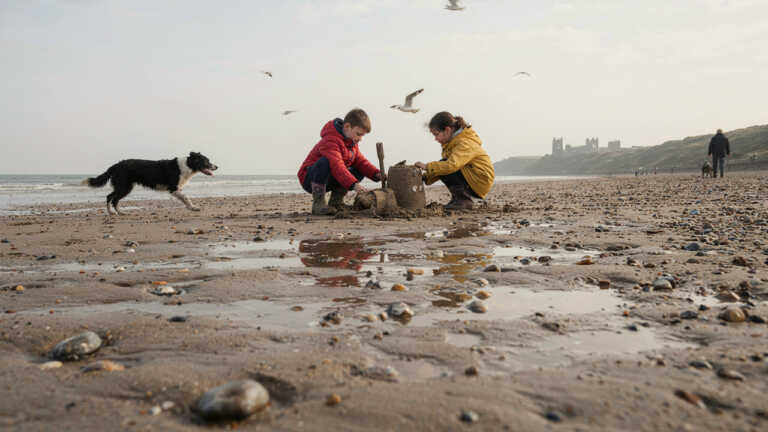
Perched on the Yorkshire coast, Whitby combines old-town charm with dramatic coastal scenery. Its historic harbour, narrow streets, traditional buildings, and famous abbey ruins make it one of the UK’s most atmospheric seaside towns.
Whitby Abbey sits high above the town and is one of its most recognisable landmarks. You can reach the abbey by climbing the famous 199 Steps from the old town.
Whitby also has strong connections with Bram Stoker’s Dracula, adding another interesting layer to its history and culture.
- Visit Whitby Abbey
- Climb the 199 Steps
- Explore the old town
- Walk around Whitby Harbour
- Visit Captain Cook Memorial Museum
- Enjoy the coastal views
- Try traditional fish and chips
- Best for: Coastal walks, history, photography, families, and literature fans.
- Useful website: Welcome to Yorkshire
8. Bakewell, Derbyshire
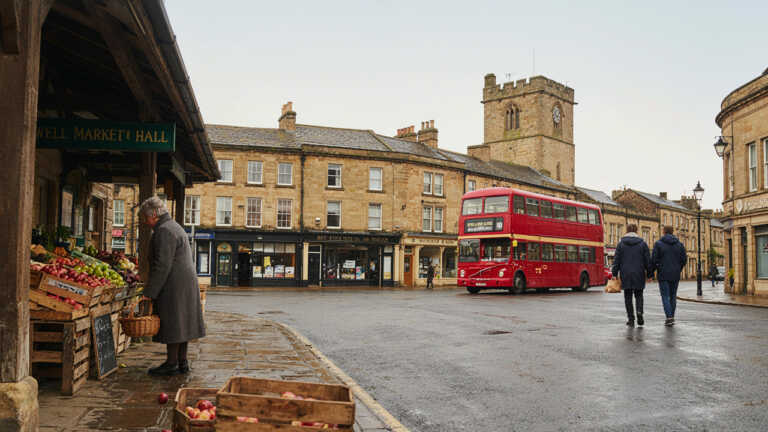
Located in the beautiful Peak District, Bakewell is a charming market town surrounded by some of England’s most attractive countryside.
The town is perhaps best known for the famous Bakewell pudding, but its appeal goes well beyond food. The River Wye runs through the town, while historic buildings, stone bridges, independent shops, cafés, and traditional pubs give the centre a welcoming atmosphere.
Bakewell is also a convenient base for exploring the Peak District National Park.
- Walk along the River Wye
- Explore Bakewell Market
- Try a traditional Bakewell pudding
- Visit All Saints Church
- Explore independent shops
- Enjoy walks in the Peak District
- Visit nearby historic houses and attractions
- Best for: Food lovers, countryside enthusiasts, walkers, families, and relaxed weekend trips.
- Useful website: Visit Peak District
9. Shrewsbury, Shropshire
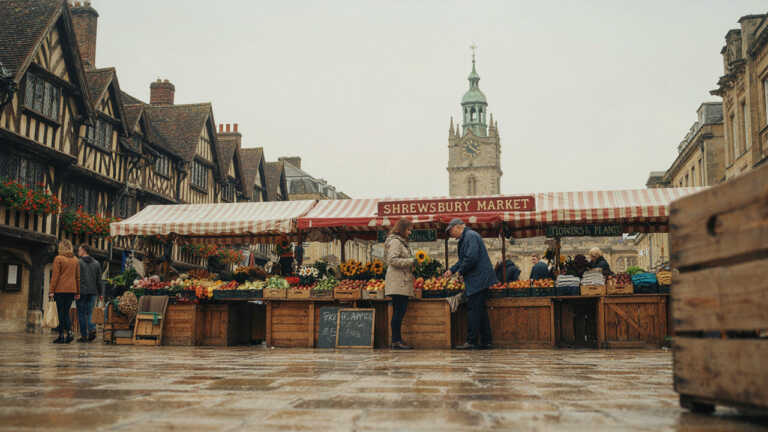
Shrewsbury is a beautiful historic market town with a maze of narrow streets and more than its fair share of timber-framed buildings.
The town sits in a loop of the River Severn, creating an interesting layout that is easy to explore on foot. Its medieval streets are packed with independent shops, cafés, pubs, and historic buildings.
One of the town’s most important landmarks is Shrewsbury Castle, while Shrewsbury Abbey provides another fascinating connection to the area’s long history.
- Explore Shrewsbury Castle
- Visit Shrewsbury Abbey
- Walk around the historic town centre
- Explore the Market Hall
- Walk beside the River Severn
- Browse independent shops
- Take a guided walking tour
- Best for: Architecture, history, shopping, photography, and weekend breaks.
10. Conwy, North Wales
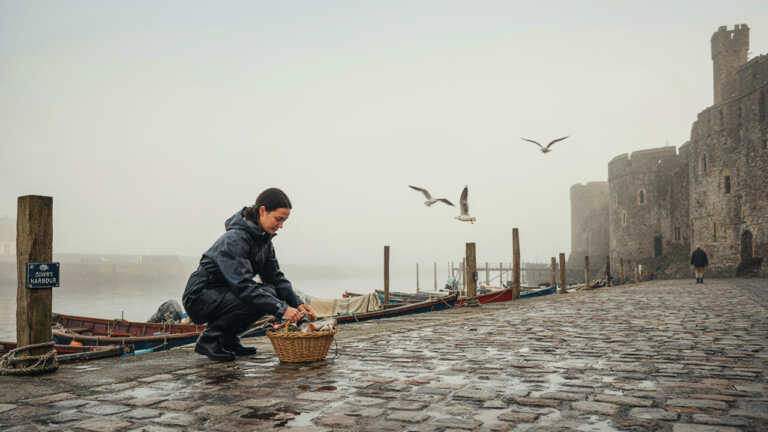
For something a little different, head across the border to Conwy in North Wales. This small walled town is dominated by the spectacular Conwy Castle, built during the reign of Edward I.
The medieval town walls are remarkably well preserved, and walking along them provides excellent views over the rooftops, castle, estuary, and surrounding landscape.
Inside the walls, you’ll find narrow streets, historic houses, small shops, cafés, and other reminders of Conwy’s medieval past.
- Visit Conwy Castle
- Walk the medieval town walls
- Explore the historic town centre
- Visit Plas Mawr
- See the Smallest House in Great Britain
- Walk along the Conwy Estuary
- Explore nearby North Wales attractions
- Best for: Medieval history, castles, photography, families, and scenic getaways.
- Useful website: Visit Conwy
11. Bath, Somerset

Bath is one of the UK’s most distinctive historic destinations, famous for its elegant Georgian architecture and Roman heritage. The city has been recognised as a UNESCO World Heritage Site, and its historic centre is packed with impressive buildings.
The Roman Baths are the obvious starting point, but don’t stop there. The Royal Crescent, The Circus, Bath Abbey, and Pulteney Bridge are all worth seeing.
Bath is also a lovely place to explore on foot. Many of its most attractive streets are close together, making it easy to combine sightseeing with shopping, cafés, and restaurants.
- Explore the Roman Baths
- Visit Bath Abbey
- Walk around the Royal Crescent
- See Pulteney Bridge
- Explore The Circus
- Wander through the Georgian streets
- Enjoy the city’s independent shops and cafés
- Best for: History, architecture, couples, culture, and weekend breaks.
- Useful website: Visit Bath
12. Lewes, East Sussex

Lewes is a historic market town surrounded by the beautiful South Downs. It has a distinctly characterful atmosphere, with old buildings, independent shops, antique stores, cafés, and winding streets.
The town’s most prominent landmark is Lewes Castle, which stands above the historic centre. Nearby, you can also visit Anne of Cleves House and explore the town’s medieval heritage.
Lewes is a good choice if you enjoy destinations that feel lived-in rather than dominated by tourism.
- Visit Lewes Castle
- Explore Anne of Cleves House
- Walk through the historic centre
- Browse independent shops
- Explore local galleries
- Walk in the surrounding South Downs
- Visit the town’s historic churches
- Best for: History, independent shopping, countryside walks, and day trips.
- Useful website: Visit Lewes
13. Hexham, Northumberland

If you’re looking for a quieter historic destination in northern England, Hexham is well worth considering.
The town is centred around its impressive abbey and historic marketplace. Hexham Abbey has stood at the heart of the community for centuries, while the nearby Shambles and old market area add to the town’s character.
Its location also makes Hexham a useful base for exploring Northumberland’s wider historic landscape.
- Visit Hexham Abbey
- Explore the historic marketplace
- Walk through the Shambles
- Visit Hexham Old Gaol
- Browse local shops
- Explore nearby countryside
- Take a day trip to Hadrian’s Wall
- Best for: History, peaceful escapes, architecture, and countryside.
- Useful website: Visit Northumberland
14. St Ives, Cornwall

St Ives offers a different kind of old-town experience. Instead of medieval castles and city walls, you’ll find a historic fishing town with narrow streets, a picturesque harbour, small galleries, and beautiful beaches.
The town has long attracted artists, and its connection with art remains an important part of its identity. The Tate St Ives is one of the best-known attractions.
Walking around the old streets near the harbour is one of the simplest pleasures here. You can combine the historic atmosphere with coastal walks and time on the beach.
- Explore the old harbour area
- Visit Tate St Ives
- Visit Barbara Hepworth Museum and Sculpture Garden
- Walk along the coast
- Explore independent galleries
- Relax on one of the local beaches
- Enjoy fresh seafood and Cornish food
- Best for: Beaches, art, photography, coastal walks, and relaxed holidays.
15. Lacock, Wiltshire

For a small and wonderfully preserved historic settlement, Lacock is difficult to overlook. Located in Wiltshire, the village is largely owned and cared for by the National Trust, helping preserve its traditional appearance.
Its streets are lined with historic cottages and buildings, and the village has been used as a filming location for several productions.
Lacock Abbey is another major attraction. The former abbey has a long history and later became associated with William Henry Fox Talbot, an important figure in the development of photography.
Because Lacock is relatively small, it works particularly well as part of a wider Wiltshire trip.
- Walk through the historic village
- Visit Lacock Abbey
- Explore the Fox Talbot Museum
- Photograph the traditional cottages
- Discover filming locations
- Explore nearby Wiltshire attractions
- Enjoy a peaceful countryside walk
- Best for: Photography, history, architecture, film fans, and quiet day trips.
- Useful website: National Trust – Lacock
Frequently Asked Questions (FAQ)
What is the most charming old town in the UK?
York, Rye, Bath, and Chester are among the UK’s most charming historic destinations.
Which UK old town is best for history lovers?
York is an excellent choice, with Roman, Viking, medieval, and later historical attractions.
Which old town is best for a weekend trip?
Bath, York, Chester, and Stratford-upon-Avon are great options for a relaxing weekend break.
Are UK old towns suitable for families?
Yes. Many offer museums, castles, historic attractions, parks, and activities suitable for families.
When is the best time to visit UK old towns?
Spring and early autumn are generally good choices for comfortable walking and sightseeing.

Hi, I’m Rasel Miah, the creator of Ultimate Travel Diary. I enjoy exploring travel destinations, hotels, local food, and hidden gems across the USA and beyond. Through this blog, I share travel guides, hotel reviews, and helpful tips based on personal research and experience to help travelers plan better trips.