
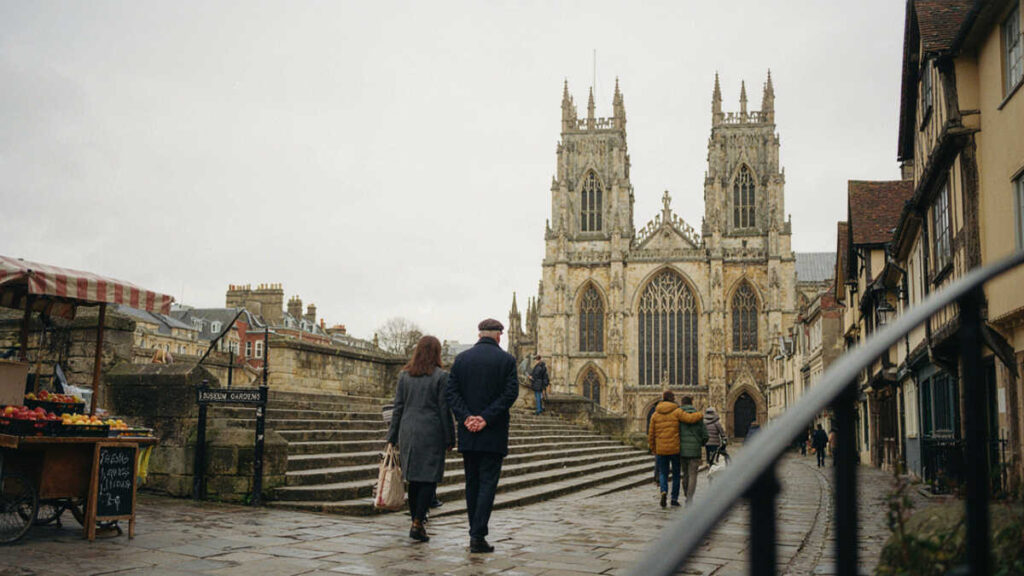
The UK is full of cities where history isn’t locked away inside museums. In many places, you can walk along medieval streets, see Roman remains, visit centuries-old cathedrals and universities, and then stop for a coffee or meal in a modern neighbourhood. For travellers who enjoy history, choosing where to go can be difficult because there are so many good options. From the medieval streets of York to the grand Georgian architecture of Bath, each city offers a different view of Britain’s past. In this guide, I’ve picked 15 of the most historic cities in the UK that are especially rewarding for visitors. They are not simply famous names on a map — each has a strong sense of place and plenty to explore.
1. York, England
York is one of the easiest cities in Britain to recommend to anyone interested in history. Its compact centre allows you to see a remarkable amount on foot, and traces of different periods are visible almost everywhere.
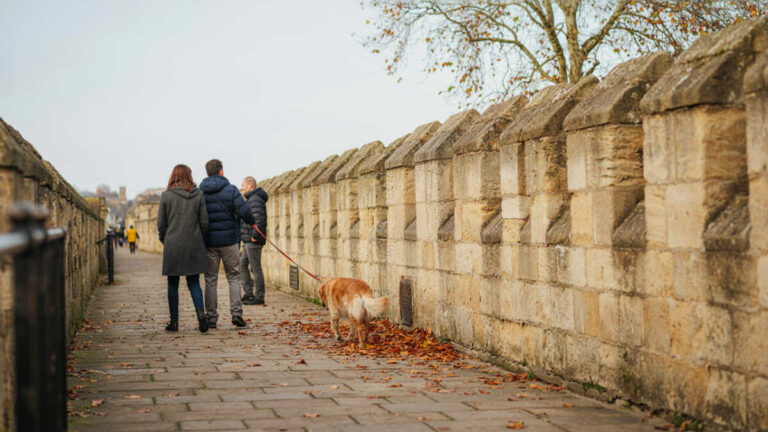
York has Roman, Viking and medieval connections, while its impressive city walls still help define the character of the centre. VisitBritain describes York as a medieval walled city, with cobbled lanes, historic streets and the famous Shambles.
York Minster should be near the top of your list. The enormous Gothic cathedral dominates the city skyline and is one of York’s most recognisable landmarks.
Then take a walk through The Shambles, one of the city’s best-known historic streets. Its narrow layout and timber-framed buildings give it a very different atmosphere from the modern shopping streets found elsewhere in Britain.
History fans should also consider Jorvik Viking Centre, where you can learn about York’s Viking past, as well as York City Walls for a different perspective of the old city.
The National Railway Museum is another worthwhile stop, particularly for families and anyone interested in Britain’s industrial history.
What makes York special is the variety. You don’t have to spend the whole day inside museums to experience its history. Simply walking around the centre can take you past Roman, medieval and later architectural influences.
- Best for: Medieval history, Viking history, architecture and walking.
- Recommended time: 2–3 days.
- Travel tip: York is particularly easy to explore without a car because many major attractions are concentrated around the city centre.
2. Bath, England
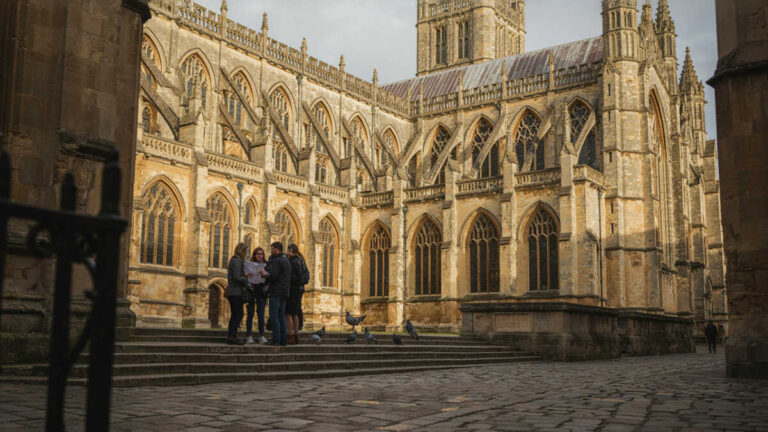
Bath feels completely different from York. Its identity is strongly connected with Roman Britain, natural hot springs and elegant Georgian architecture.
Bath’s entire city was designated a UNESCO World Heritage Site in 1987, and it later became part of the Great Spa Towns of Europe UNESCO listing in 2021.
The city has been associated with its thermal springs for thousands of years. The Roman Baths remain one of its major attractions and provide an excellent introduction to Bath’s ancient past.
Start with the Roman Baths, where you can see remarkably preserved remains connected with the city’s Roman history.
After that, explore the Georgian side of Bath. Royal Crescent is one of the city’s most famous architectural landmarks, while The Circus and Pulteney Bridge are also worth adding to your walking route.
If you enjoy literature, look into Bath’s connection with Jane Austen. The author lived in the city, and Bath provided inspiration for parts of her work.
You can also visit Bath Abbey, explore local museums or simply spend time walking through the historic centre.
Bath is ideal if you want history combined with beautiful architecture, restaurants, cafés and a relaxed city-break atmosphere.
One thing I particularly like about Bath is that the historic setting doesn’t feel separated from everyday life. The old buildings form the backdrop to modern shops, cafés and streets.
- Best for: Roman history, Georgian architecture, literature and relaxing city breaks.
- Recommended time: 2 days.
- Travel tip: Comfortable shoes are useful because walking is one of the best ways to appreciate Bath’s architecture.
- Official visitor information: Visit Bath
3. Edinburgh, Scotland

Edinburgh brings Scottish history into the list with a dramatic combination of medieval streets, royal landmarks and Georgian architecture.
The city is particularly interesting because its historic centre has two very different personalities: the medieval Old Town and the planned New Town. Both are part of Edinburgh’s World Heritage area.
The Royal Mile is the natural starting point for exploring Edinburgh’s historic centre. It runs through the Old Town between Edinburgh Castle and the Palace of Holyroodhouse. Along the way, you’ll find historic buildings, churches, museums and narrow passages known as closes.
Edinburgh Castle is one of Scotland’s most famous landmarks and offers impressive views across the city.
Don’t stop at the Old Town, though. Walk into the New Town to see a completely different style of architecture. The area was planned from the 18th century and is particularly known for its Georgian streets, squares and terraces.
If you have extra time, visit Holyrood Palace, explore the National Museum of Scotland or climb up to a viewpoint such as Arthur’s Seat.
Edinburgh is a great choice if you want a historic city with a strong cultural atmosphere. It combines castles and old streets with museums, galleries, festivals, restaurants and modern neighbourhoods.
- Best for: Scottish history, castles, royal history, architecture and museums.
- Recommended time: 3 days.
- Travel tip: Edinburgh has plenty of hills and uneven historic streets, so plan your walking routes realistically.
- Official visitor information: Forever Edinburgh
4. Oxford, England
Oxford is one of Britain’s most famous university cities, but its appeal goes well beyond the university itself.
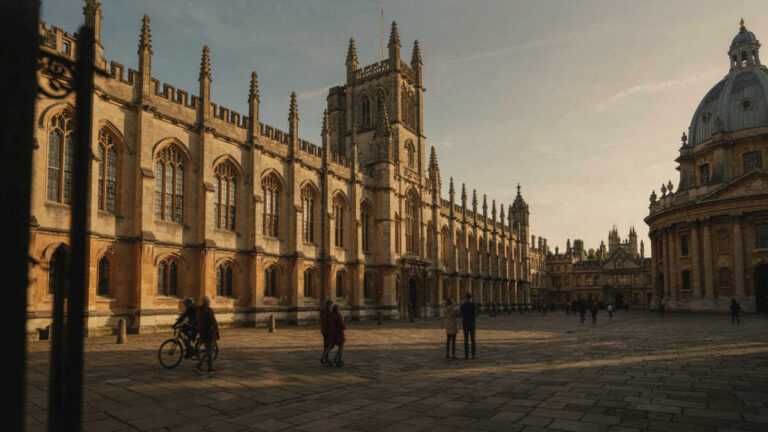
The city has been a centre of scholarship for around 800 years and is home to the oldest university in Britain. Its historic colleges, libraries, churches and streets give Oxford a distinctive atmosphere.
The Bodleian Library is one of the obvious places to visit. Depending on the tour available, visitors can see historic university spaces including the famous Divinity School.
The Radcliffe Camera is another Oxford landmark that is hard to miss. Even if you don’t go inside, the surrounding streets provide some of the city’s best architectural views.
Take time to explore the university colleges as well. Colleges such as Christ Church, Magdalen College and New College each have their own character and history.
For something different, consider a walk along the River Cherwell or try punting when conditions and services allow.
Oxford works particularly well for travellers who enjoy architecture, books, education and old university traditions. It is also relatively easy to visit from London, making it a popular choice for both short trips and longer England itineraries.
- Best for: University history, architecture, libraries and literature.
- Recommended time: 1–2 days.
- Travel tip: Don’t spend your entire visit inside the most famous college. Walking through the surrounding streets and quieter areas can give you a better feel for the city.
- Official visitor information: Experience Oxfordshire
5. Canterbury, England

Canterbury is one of the UK’s most important historic cities, particularly if you’re interested in religious and medieval history.
The city became a major centre of Christianity after St Augustine arrived in 597 AD. Today, its historic heart still contains major reminders of that long history.
The obvious starting point is Canterbury Cathedral. It has played a major role in English religious history and became an important pilgrimage destination.
The cathedral is part of a UNESCO World Heritage Site that also includes St Augustine’s Abbey and St Martin’s Church.
You can also explore Canterbury’s medieval city walls and visit Westgate, one of the most recognisable surviving historic structures in the city.
The Canterbury Roman Museum is worth considering if you want to understand the city’s earlier history before its medieval religious importance.
Canterbury is a good option for travellers who want a smaller historic city where many major attractions are close together.
It also makes an interesting addition to a wider southeast England itinerary, especially if you’re already visiting London and Kent.
- Best for: Medieval history, religious heritage, architecture and walking.
- Recommended time: 1–2 days.
- Travel tip: Give yourself time to explore beyond the cathedral. The surrounding streets and remaining sections of the old city are part of what makes Canterbury interesting.
- Official visitor information: Visit Canterbury
6. Chester, England
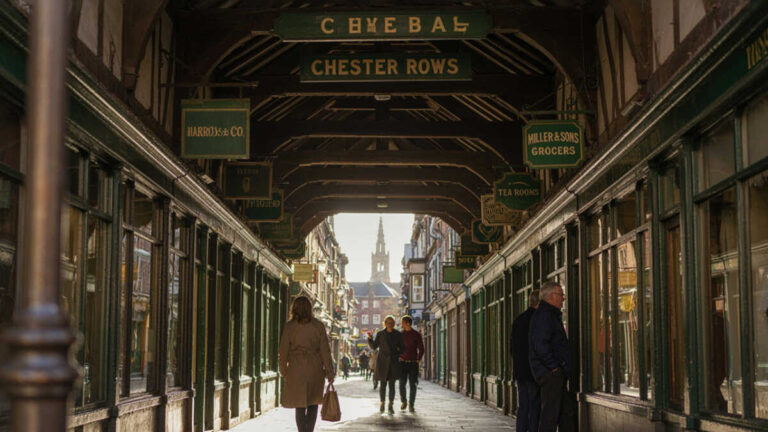
Chester is one of the best places in the UK to experience layers of history in a relatively compact city centre. Its story goes back to Roman times, when it was an important military settlement.
One of Chester’s most recognisable features is its ancient city walls. Walking along the walls is a great way to see the historic centre while getting a sense of how the city developed over the centuries.
Start with the Chester Roman Amphitheatre, one of the most impressive Roman remains in the city. You can then walk along the city walls and explore the historic streets.
The Rows are another Chester highlight. These distinctive two-level galleries contain shops and businesses and give the city centre an unusual architectural character.
Chester Cathedral is also worth visiting, particularly if you enjoy medieval architecture and historic churches.
Chester is ideal for travellers who want Roman and medieval history without the scale of a much larger city.
- Best for: Roman history, medieval architecture and walking.
- Recommended time: 1–2 days.
7. Cambridge, England

Cambridge is famous around the world for its historic university, but the city itself offers much more than impressive college buildings.
The University of Cambridge dates back to the early 13th century, and its colleges have shaped the city’s architecture and character for hundreds of years.
King’s College Chapel is one of the city’s most recognisable landmarks. Its Gothic architecture and famous fan vaulting make it a memorable stop.
Take a walk around the historic university area and visit places such as Trinity College, St John’s College and Queens’ College, subject to visitor access.
Punting along the River Cam is another classic Cambridge experience. From the river, you can see historic college buildings from a completely different angle.
Cambridge is a particularly good destination if you enjoy academic history, architecture, gardens and traditional university culture.
- Best for: University history, architecture and riverside sightseeing.
- Recommended time: 1–2 days.
- Travel tip: College opening times and visitor arrangements can vary, so check ahead before planning your route.
- Official visitor information: Visit Cambridge
8. Durham, England
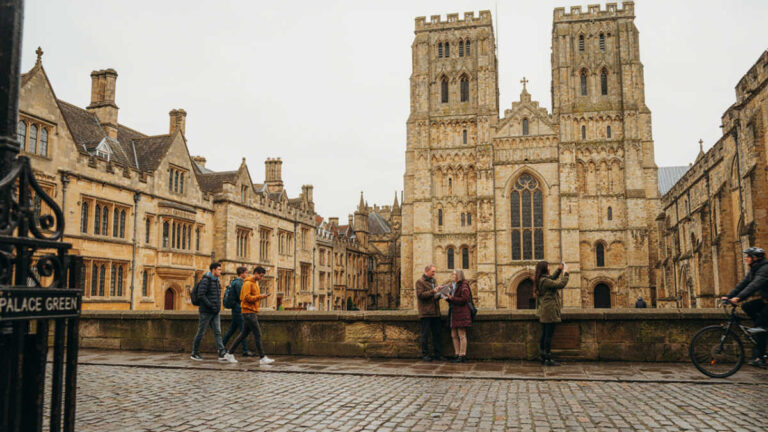
Durham may be smaller than many of the UK’s best-known cities, but its historic importance is enormous.
The city grew around its dramatic peninsula, where Durham Cathedral and Durham Castle dominate the skyline. Together with the surrounding historic area, they form a UNESCO World Heritage Site.
Durham Cathedral is the city’s main attraction and one of the finest examples of Norman architecture in Britain.
Next to it is Durham Castle, which has been closely connected with the history of Durham University for centuries.
Don’t just visit the major buildings. Walk around the peninsula and along the River Wear to appreciate Durham’s distinctive setting.
Durham is perfect for visitors who prefer smaller historic cities with impressive architecture and a relaxed atmosphere.
- Best for: Norman architecture, cathedral history and scenic walks.
- Recommended time: 1–2 days.
- Official visitor information: Visit County Durham
9. Lincoln, England
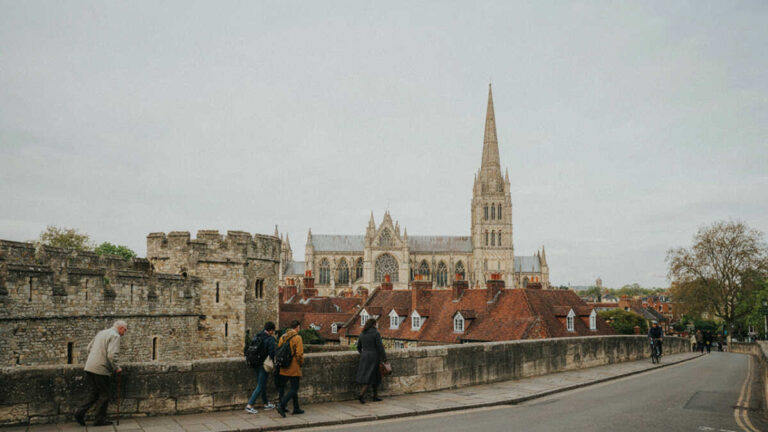
Lincoln is another excellent destination for history lovers, particularly if you want to see Roman, medieval and Victorian influences in one city.
The city developed from the Roman settlement of Lindum Colonia, and its elevated historic quarter remains one of the most interesting parts of Lincoln.
Lincoln Cathedral is the city’s defining landmark. For centuries it was one of the tallest buildings in the world, and its Gothic architecture remains impressive.
Nearby, Lincoln Castle offers another major connection with the city’s medieval past. The castle complex also provides views across the surrounding area.
Don’t miss Steep Hill, one of Lincoln’s most famous streets. It connects the lower part of the city with the historic uphill area.
The Roman remains around the city provide another glimpse into Lincoln’s much earlier history.
Lincoln is a good choice if you want a historic city with major attractions but without the scale and crowds of some larger UK destinations.
- Best for: Medieval history, castles, cathedrals and Roman heritage.
- Recommended time: 1–2 days.
- Travel tip: Steep Hill really is steep, so take your time when walking between the lower and upper parts of the city.
10. Winchester, England
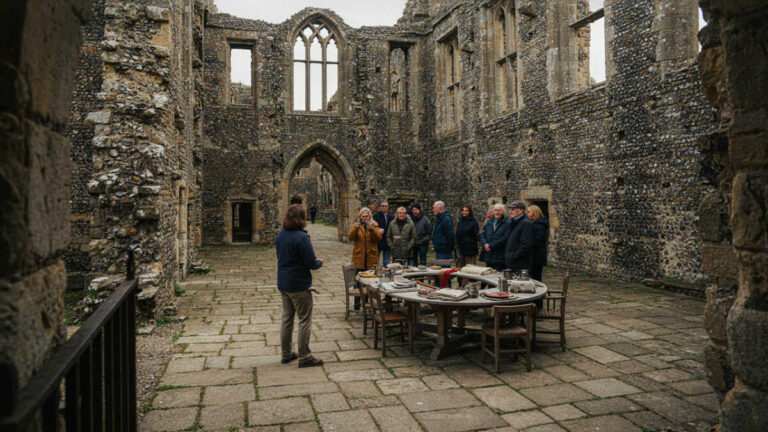
Winchester has a particularly important place in English history. It was once the capital of Anglo-Saxon England and remained a major political and religious centre for centuries.
Today, the city combines its historic landmarks with a compact centre that is easy to explore on foot.
The Winchester Cathedral is one of the city’s biggest attractions. Its long history and impressive interior make it worth allowing plenty of time for a visit.
You can also visit the Great Hall, one of the surviving parts of Winchester Castle. It is traditionally associated with the legendary Round Table of King Arthur.
For a quieter experience, walk along the Water Meadows and explore the historic streets around the cathedral.
Winchester is an excellent destination for travellers interested in Anglo-Saxon and medieval England. It also works well as a day trip or short break from London.
- Best for: Anglo-Saxon history, medieval England, cathedrals and historic walking.
- Recommended time: 1–2 days.
- Official visitor information: Visit Winchester
11. Norwich, England

Norwich is one of England’s most interesting historic cities and is often overlooked by visitors planning their first UK trip. Its history stretches back to Roman and Anglo-Saxon times, and the city became an important medieval centre.
The historic centre has a mixture of medieval streets, churches, old merchant buildings and later architecture. It is a city where you can spend hours exploring without needing a strict sightseeing schedule.
Norwich Cathedral is one of the city’s most important landmarks. The cathedral was founded in the 11th century and is particularly known for its impressive Norman architecture.
Norwich Castle is another major attraction. Built after the Norman Conquest, it has played several roles throughout its history and now houses museum collections.
The Norwich Lanes are also worth exploring. These narrow historic streets contain independent shops, cafés and restaurants.
Norwich is a great choice if you want to experience medieval England while also enjoying a lively modern city.
- Best for: Medieval history, cathedrals, castles and independent shopping.
- Recommended time: 1–2 days.
- Official visitor information: Visit Norwich
12. Stirling, Scotland
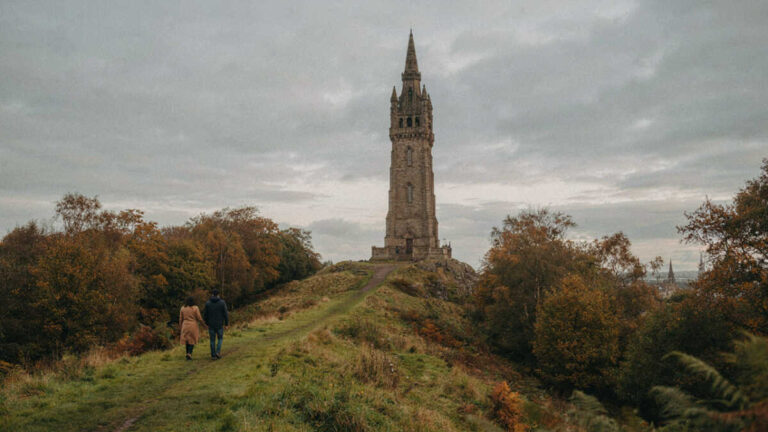
Stirling is one of the most historically important cities in Scotland. Its location between the Highlands and Lowlands made it strategically important for centuries.
The city’s history is strongly connected with Scottish kings, battles and the struggle for Scottish independence.
The main attraction is Stirling Castle, one of Scotland’s most impressive historic castles. It was a favourite residence of several Scottish monarchs and played an important role in the country’s history.
Nearby, you can visit the Church of the Holy Rude, a historic church with connections to Scottish royal history.
Another important attraction is the National Wallace Monument, which stands on Abbey Craig overlooking the surrounding landscape.
Stirling is an excellent destination if you are interested in Scottish royal history and medieval warfare. Its compact centre also makes it convenient for a short visit.
- Best for: Scottish history, castles, royalty and historic battles.
- Recommended time: 1–2 days.
- Travel tip: Combining Stirling with other Scottish destinations can make a good longer itinerary.
13. Exeter, England
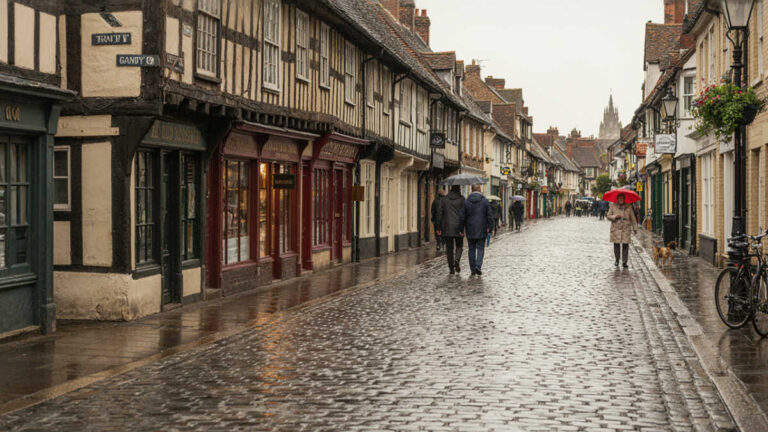
Exeter is another city where different periods of British history can be seen within a relatively small area.
The city has strong Roman connections and later became an important medieval centre. Its location in Devon also makes it a useful base for exploring parts of southwest England.
Exeter Cathedral is one of the city’s most impressive landmarks. Construction of the present cathedral began in the medieval period, and its Gothic architecture remains a major feature of the city centre.
You can also explore sections of the city’s Roman and medieval underground passages, which were originally built as part of Exeter’s water-supply system.
Walking around the Cathedral Close is another good way to experience the city’s historic atmosphere.
Exeter works well for travellers who want history without giving up access to the countryside and attractions of Devon.
- Best for: Roman history, medieval architecture and southwest England.
- Recommended time: 1–2 days.
- Travel tip: Exeter can be combined with visits to other Devon destinations, making it useful as part of a wider road or rail trip.
- Official visitor information: Visit Exeter
14. Carlisle, England
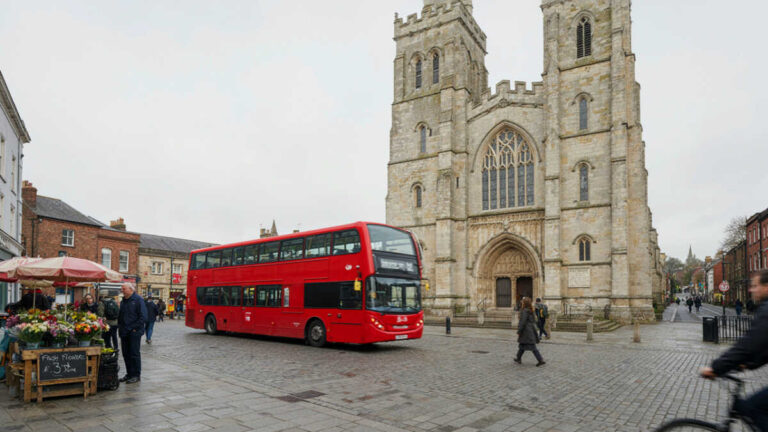
Carlisle sits close to the Scottish border and has a history shaped partly by its strategic position.
The city developed around the Roman frontier and remained important during later conflicts between England and Scotland.
Carlisle Castle is the city’s best-known historic landmark. The castle has stood for centuries and has witnessed many important events in the region’s history.
Carlisle Cathedral is another major attraction. Although smaller than some of England’s famous cathedrals, it has a distinctive character and a long history.
For Roman history, look beyond the city centre toward Hadrian’s Wall, which passes through the wider region. Several Roman sites can be visited around the area.
Carlisle is particularly appealing to visitors who want to combine city sightseeing with Roman and border history.
- Best for: Roman Britain, castles, military history and Hadrian’s Wall.
- Recommended time: 1–2 days.
- Travel tip: If Hadrian’s Wall is your main interest, allow extra time because the major sites are spread across the landscape rather than concentrated in central Carlisle.
15. Hereford, England
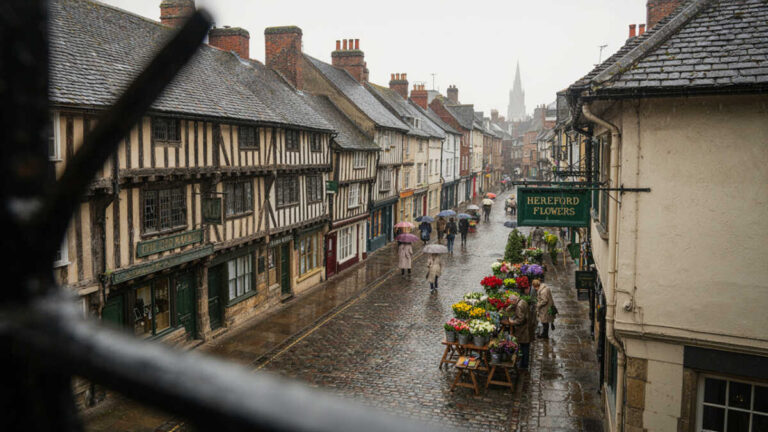
Hereford is a smaller historic city in the West Midlands region and is particularly known for its cathedral, medieval heritage and connection with the surrounding countryside.
The city grew around the River Wye and has long been an important regional centre.
Hereford Cathedral is the city’s main historic attraction. It dates back many centuries and contains one of the world’s most famous medieval maps, the Mappa Mundi.
The cathedral also houses the Chained Library, an important historic collection where books were secured with chains to help protect them.
The city’s historic centre is pleasant to explore on foot, with older buildings and streets mixed with modern shops and cafés.
Hereford is a good choice if you prefer smaller destinations and want to explore English heritage away from the busiest tourist centres.
- Best for: Medieval manuscripts, cathedral history and quiet city breaks.
- Recommended time: 1 day.
- Travel tip: Hereford works particularly well as part of a wider trip through the Welsh Marches and the Wye Valley.
- Official visitor information: Visit Herefordshire
Frequently Asked Questions (FAQ)
What is the most historic city in the UK?
- York is one of the UK’s best-known historic cities, with Roman, Viking and medieval heritage.
Which UK city is best for medieval history?
- York, Canterbury, Durham and Lincoln are excellent choices for medieval history.
Is Bath worth visiting for history?
- Yes. Bath is famous for its Roman Baths and beautiful Georgian architecture.
Which historic UK city is best for a short trip?
- Bath, York, Canterbury and Winchester are good options for a one- or two-day visit.
What is the oldest city in the UK?
- Several UK cities have very ancient origins, so there is no single universally accepted answer. Cities such as York, Chester and Canterbury have roots reaching back to Roman or earlier periods.

Hi, I’m Rasel Miah, the creator of Ultimate Travel Diary. I enjoy exploring travel destinations, hotels, local food, and hidden gems across the USA and beyond. Through this blog, I share travel guides, hotel reviews, and helpful tips based on personal research and experience to help travelers plan better trips.