
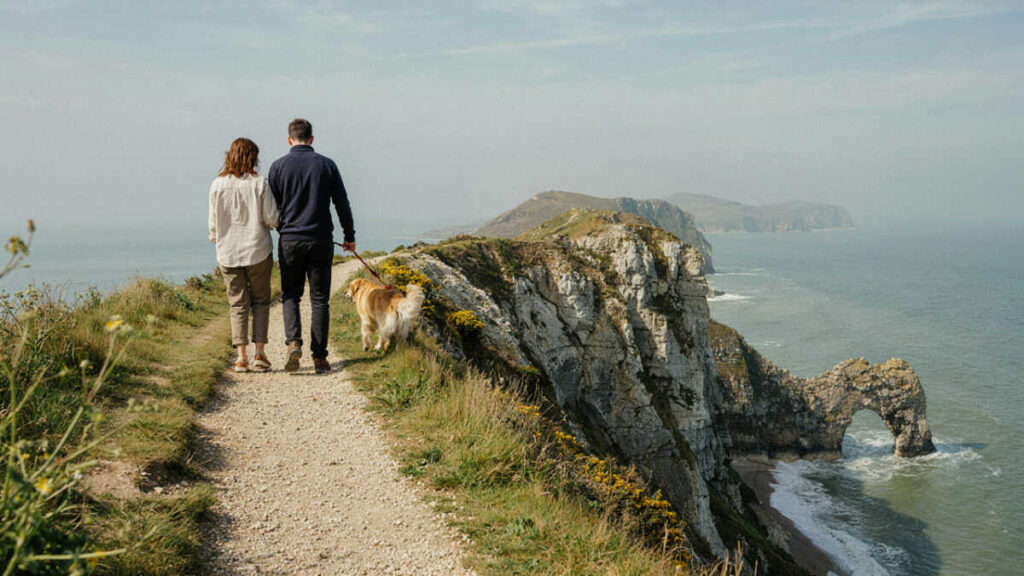
The UK has a little bit of everything: most historic cities, beautiful countryside, dramatic coastlines, royal landmarks and charming old towns. The difficult part is deciding where to go first. For first-time visitors, some places are obvious choices, while others are better for a slower weekend or a short break. Locals, meanwhile, may be looking for somewhere different from the usual tourist hotspots. In this guide, I’ve picked 20 of the best places in the UK for, considering things like attractions, atmosphere, history, scenery, food, accessibility and the type of experience you can expect.
1. London, England – Best for First-Time Visitors
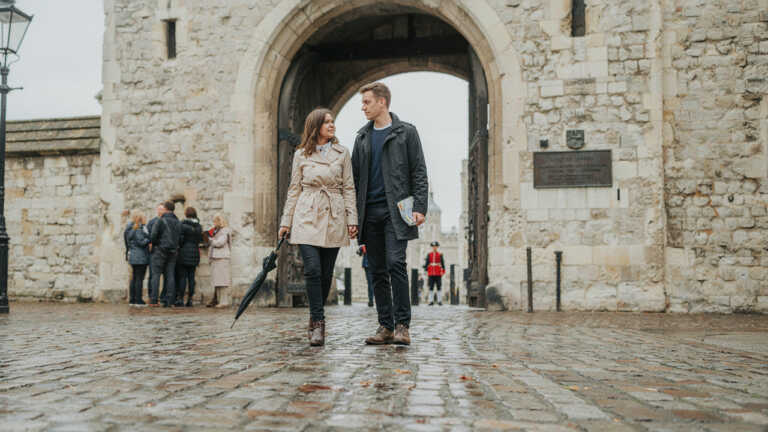
London is probably the easiest place to recommend if you are visiting the UK for the first time. It is busy, expensive in some areas and sometimes overwhelming, but there is simply so much to see and do.
From royal palaces and historic buildings to museums, markets, parks and West End theatre, London works for almost every type of traveller.
The official Visit London guide highlights attractions including the Tower of London, London Eye and Buckingham Palace among the city’s major experiences.
- Buckingham Palace
- Tower of London
- Tower Bridge
- Big Ben and the Houses of Parliament
- Westminster Abbey
- St Paul’s Cathedral
- The British Museum
- National Gallery
- London Eye
- Hyde Park
- If you have limited time, don’t try to see everything. Choose a few areas and explore them properly. Westminster, South Bank, Covent Garden and the City of London can each provide a very different experience.
- Tower of London is particularly interesting for visitors who enjoy British history, while Tower Bridge offers one of the city’s most recognisable views.
- Best time to visit: London can be visited throughout the year. Spring and early autumn are particularly pleasant for walking around the city, while summer brings longer days but generally larger crowds.
- My tip: Don’t spend your entire trip travelling from one attraction to another. London is at its best when you leave some time to simply walk around, visit a local café or explore one of its neighbourhoods.
- Official information: Visit London
2. Edinburgh, Scotland – Best for History and Atmosphere

Edinburgh feels completely different from London. Its compact historic centre, dramatic skyline and medieval streets give the city a distinctive atmosphere.
The city’s most famous landmark is Edinburgh Castle, sitting high above the Old Town. From there, you can explore the Royal Mile, visit museums, discover independent shops and walk up Arthur’s Seat for views across the city.
VisitBritain describes Edinburgh as Scotland’s capital and highlights its reputation as a leading festival city.
- Explore Edinburgh Castle
- Walk along the Royal Mile
- Visit the Old Town
- See the Palace of Holyroodhouse
- Climb Arthur’s Seat
- Explore the National Museum of Scotland
- Walk through Princes Street Gardens
- Enjoy traditional Scottish food
- Edinburgh is especially appealing if you enjoy history and architecture. You don’t need a car to experience the central sights, which makes it convenient for a short city break.
- Best time to visit: Summer is lively, particularly during Edinburgh’s major festival season, but this is also when accommodation can become harder to find and prices can rise.
- For a quieter experience, consider spring or early autumn.
- My tip; Stay close to the city centre if your main goal is sightseeing. Edinburgh is a city where walking between attractions can be part of the experience.
- Official destination information: VisitBritain – Edinburgh and UK destinations
3. Bath, England – Best for a Relaxing City Break
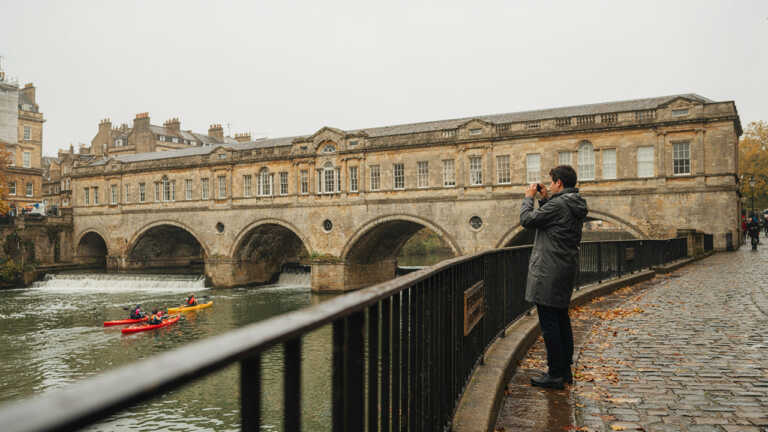
Known for its Roman history and elegant Georgian architecture, Bath is compact enough to explore comfortably over a weekend. Visit Bath describes the city as a historic wellbeing destination, with the Roman Baths, thermal spa experiences, museums, independent shops and distinctive Georgian buildings.
- Roman Baths
- Bath Abbey
- Royal Crescent
- The Circus
- Pulteney Bridge
- Bath Skyline
- Jane Austen-related attractions
- Thermae Bath Spa
- One of the best things about Bath is that many of its main attractions are close together. You can spend the morning sightseeing, stop for lunch, browse the shops and then enjoy an evening meal without constantly worrying about transportation.
- The honey-coloured buildings are also a major part of the city’s appeal.
- Best time to visit: Spring and early autumn are excellent choices if you want comfortable sightseeing weather without the busiest summer conditions.
- My tip: Don’t only visit the Roman Baths and leave. Take time to walk around the Georgian streets and explore the areas just outside the busiest tourist routes.
- Official destination information: Visit Bath
4. York, England – Best for Medieval History
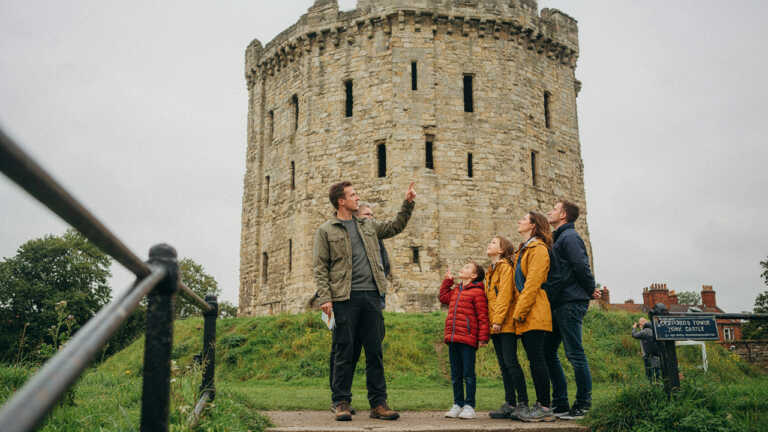
York is one of the UK’s most rewarding destinations for history lovers.
The city has Roman and Viking connections, medieval streets and a famous cathedral. VisitBritain describes York as a medieval walled city with Roman and Viking heritage and highlights its cathedral and museums.
The historic centre is relatively compact, making York particularly enjoyable on foot.
- Visit York Minster
- Walk the medieval Shambles
- Explore the city walls
- Visit the JORVIK Viking Centre
- Explore the National Railway Museum
- Walk beside the River Ouse
- Discover York’s independent shops and cafés
- The Shambles is probably the first place many visitors think of, but there is much more to York than one famous street.
- Walking the old city walls is a great way to understand how the historic centre fits together, while the museums provide more context about York’s long history.
- Best time to visit: York is a year-round destination. Spring and autumn are particularly good for walking, while winter gives the historic centre a different atmosphere.
- My tip: Give York at least two days if possible. A day trip can cover the highlights, but staying overnight gives you more time to explore after the busiest daytime period.
- Official UK destination information: VisitBritain Destinations
5. The Cotswolds, England – Best for Countryside and Villages
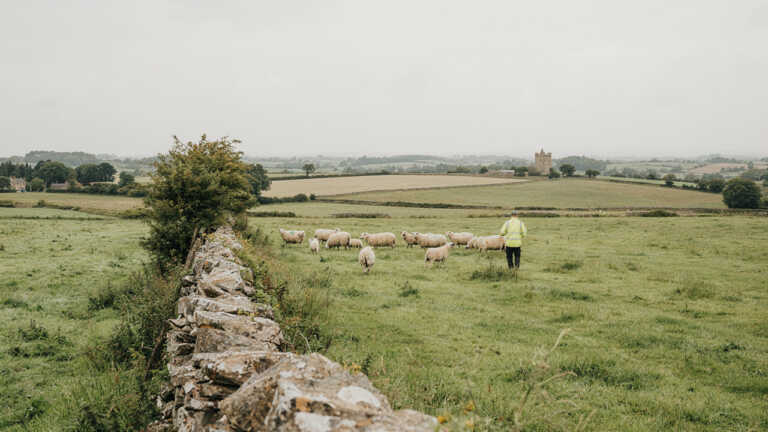
If you want something completely different from the UK’s big cities, head to Cotswolds.
The Cotswolds are known for rolling countryside, traditional stone villages and rural landscapes. VisitBritain describes the area as a quintessential British countryside experience spanning parts of five English counties.
This is the kind of destination where the journey itself becomes part of the experience.
- Explore traditional villages
- Walk through the countryside
- Visit local markets
- Enjoy traditional pubs and cafés
- Discover historic churches
- Take scenic drives
- Stay in a countryside guesthouse
- Explore local gardens
- Popular villages and towns include Bourton-on-the-Water, Bibury, Stow-on-the-Wold and Broadway.
- However, don’t feel that you have to visit every famous village. Sometimes the quieter places can provide a more relaxed experience.
- Best time to visit; Late spring and summer are popular because of the greenery and longer days. Autumn can also be beautiful, particularly for countryside walks.
- My tip; A car can make exploring rural parts of the Cotswolds easier, but it isn’t essential for every itinerary. If you’re travelling without a car, plan your base and transport carefully rather than trying to cover too large an area.
- More information: VisitBritain – Cotswolds and UK destinations
6. Lake District, England – Best for Nature and Hiking
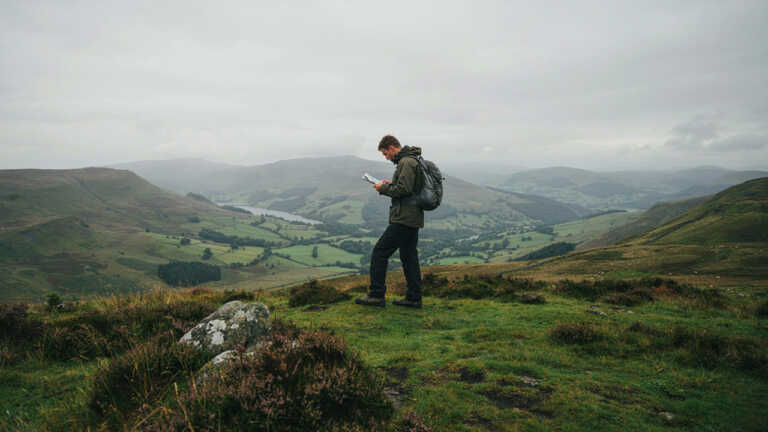
If you love mountains, lakes and peaceful countryside, the Lake District is one of the best places to visit in the UK. Located in Cumbria, it is famous for its dramatic landscapes, picturesque lakes and walking routes.
Lake Windermere is one of the area’s most popular attractions, while towns such as Keswick and Ambleside make convenient bases for exploring the region.
- Explore Lake Windermere
- Visit Ambleside
- Explore Keswick
- Take a scenic boat trip
- Enjoy countryside walks
- Visit local villages
- Explore Grasmere
- Try longer hiking routes
- The Lake District is suitable for both casual visitors and experienced walkers. You don’t need to climb a mountain to enjoy it—there are plenty of easier walks and scenic viewpoints.
- Best time to visit: Spring through early autumn is popular for walking and sightseeing. Autumn is particularly attractive if you enjoy changing colours and quieter landscapes.
- My tip: Check the weather before heading out and choose walking routes that match your experience. Conditions in the mountains can change quickly.
- Official information: Lake District National Park
7. Liverpool, England – Best for Music and Culture

Liverpool is a great choice for travellers interested in music, football, maritime history and culture.
The city is internationally famous for its connection with The Beatles, but there is much more to explore. The waterfront, museums, galleries and historic buildings give Liverpool plenty to offer beyond its musical heritage.
- Royal Albert Dock
- The Beatles Story
- Museum of Liverpool
- Liverpool Cathedral
- Liverpool Metropolitan Cathedral
- Tate Liverpool area
- Historic waterfront
- Local markets and cafés
- Royal Albert Dock is an especially good starting point because several attractions are close together.
- Liverpool also has a lively food scene, with restaurants and cafés representing cuisines from around the world.
- Best time to visit: Liverpool can be visited throughout the year. Spring and summer are particularly pleasant for exploring the waterfront, while autumn and winter can be good for museums and indoor attractions.
- My tip: If you’re a Beatles fan, plan your itinerary around the places connected with the band’s history. Otherwise, combine the music attractions with museums and the waterfront for a more balanced visit.
- Official information: Visit Liverpool
8. Cardiff, Wales – Best for a City Break in Wales
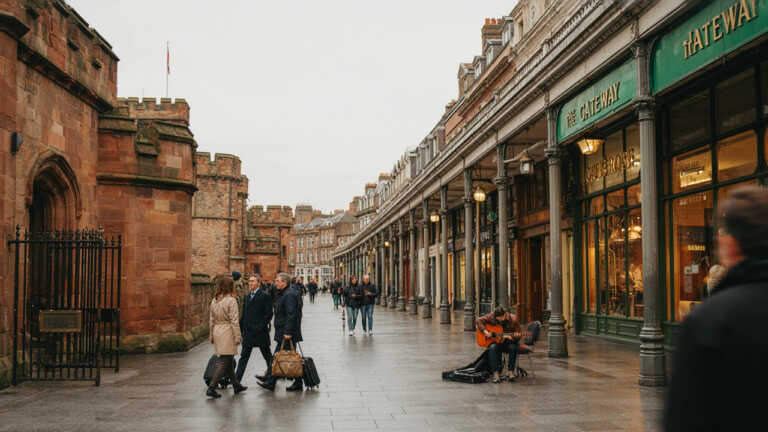
Cardiff is the capital of Wales and an easy destination for travellers who want to experience Welsh culture without heading deep into the countryside.
The city combines historic attractions with modern shopping areas, restaurants and entertainment venues.
- Visit Cardiff Castle
- Explore Cardiff Bay
- Visit the National Museum Cardiff
- Walk through Bute Park
- See the Principality Stadium
- Explore Cardiff Market
- Enjoy Welsh food
- Take a day trip outside the city
- Cardiff Castle is one of the city’s main highlights and is located close to the centre. Bute Park is also worth visiting if you want some green space during your city break.
- Best time to visit: Late spring and summer are popular because of the longer days. Early autumn can also be a pleasant time to explore the city.
- My tip: Don’t limit your trip to the city centre. Cardiff Bay has a different atmosphere and is easy to combine with a central Cardiff itinerary.
- Official information: Visit Cardiff
9. Belfast, Northern Ireland – Best for History and Waterfront Attractions
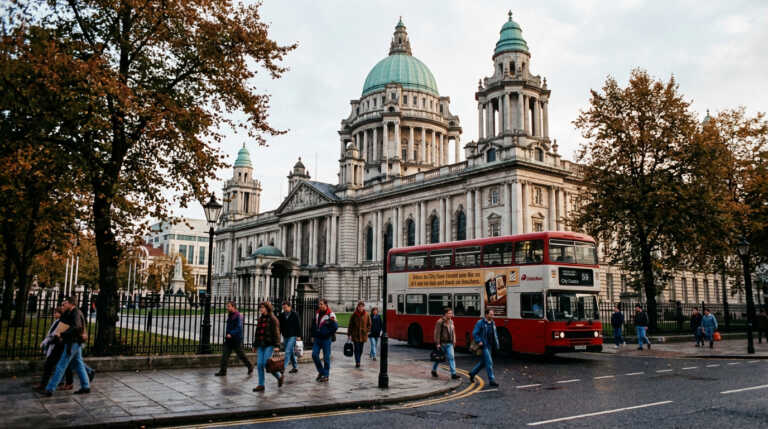
Belfast is an interesting choice if you want to explore Northern Ireland’s history, architecture and maritime heritage.
One of its best-known attractions is Titanic Belfast, located in the historic Titanic Quarter. The city also has impressive Victorian architecture, museums, markets and a growing food scene.
- Titanic Belfast
- Belfast City Hall
- St George’s Market
- Cathedral Quarter
- Botanic Gardens
- Ulster Museum
- Titanic Quarter
- Belfast waterfront
- Titanic Belfast is particularly worthwhile for visitors interested in the story of the famous ship and Belfast’s shipbuilding history.
- Best time to visit: Spring and summer generally offer longer daylight hours for sightseeing. Autumn can provide a quieter city-break experience.
- My tip: Belfast works well as a short city break, but you can also use it as a base for exploring other parts of Northern Ireland.
- Official information: Visit Belfast
10. Brighton, England – Best for the Seaside
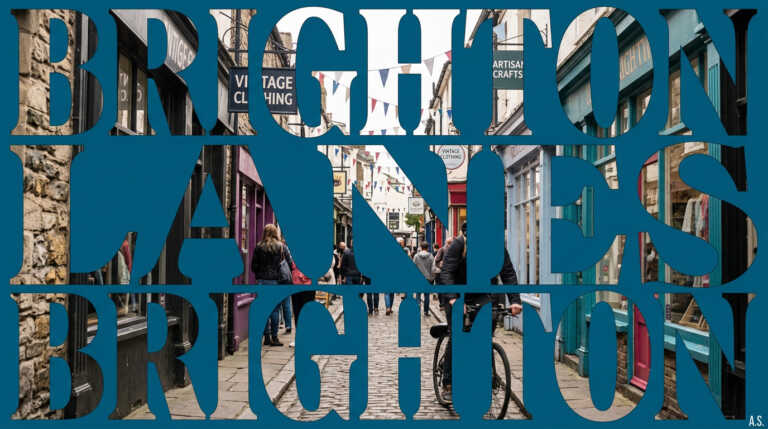
Brighton is one of England’s most popular seaside destinations and makes an easy escape from London.
The city is known for its beach, famous pier, independent shops, cafés and distinctive atmosphere. It combines traditional seaside attractions with a lively city feel.
- Walk along Brighton Beach
- Visit Brighton Palace Pier
- Explore the Royal Pavilion
- Wander through The Lanes
- Visit Brighton i360
- Browse independent shops
- Enjoy seafood and local restaurants
- Watch the sunset by the coast
- The Royal Pavilion is one of Brighton’s most distinctive landmarks, while The Lanes are ideal for browsing small shops and cafés.
- Best time to visit: Summer is the busiest period, particularly on sunny weekends. Spring and early autumn can be good alternatives if you prefer a somewhat quieter atmosphere.
- My tip: Brighton is easy to visit as a day trip, but staying overnight gives you more time to enjoy the city after the daytime crowds have gone.
- Official information: Visit Brighton
11. Cambridge, England – Best for History and University Architecture
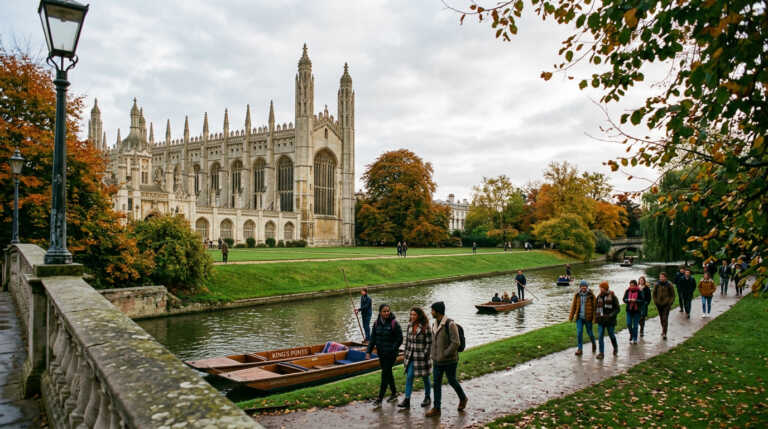
Cambridge is one of England’s most attractive historic cities. It is famous for the University of Cambridge, beautiful college buildings, the River Cam and the traditional activity of punting.
Walking around the historic centre is one of the easiest ways to experience the city. King’s College Chapel, the Bridge of Sighs and the university colleges are among the highlights.
- See King’s College Chapel
- Take a punting trip on the River Cam
- Walk through the historic city centre
- Visit the Fitzwilliam Museum
- Explore university college grounds
- Relax at Cambridge Botanic Garden
- Browse independent bookshops and cafés
- Best for: History, architecture, culture and day trips.
- Official information: Visit Cambridge
12. Oxford, England – Best for Historic Streets and Culture

Oxford is another excellent choice for travellers who enjoy history and architecture. Its famous university buildings, stone streets and historic colleges create a distinctive atmosphere.
The city is compact enough to explore mostly on foot, making it particularly convenient for a short visit.
- Bodleian Library
- Radcliffe Camera
- Ashmolean Museum
- Covered Market
- Historic university colleges
- Christ Church area
- University Church of St Mary the Virgin
- River Thames and surrounding walking areas
- Oxford also has plenty of cafés, restaurants and independent shops, so you can easily combine sightseeing with a relaxed afternoon.
- Best for: History, architecture, museums and short city breaks.
- Official information: Experience Oxfordshire
13. Cornwall, England – Best for Beaches and Coastal Scenery
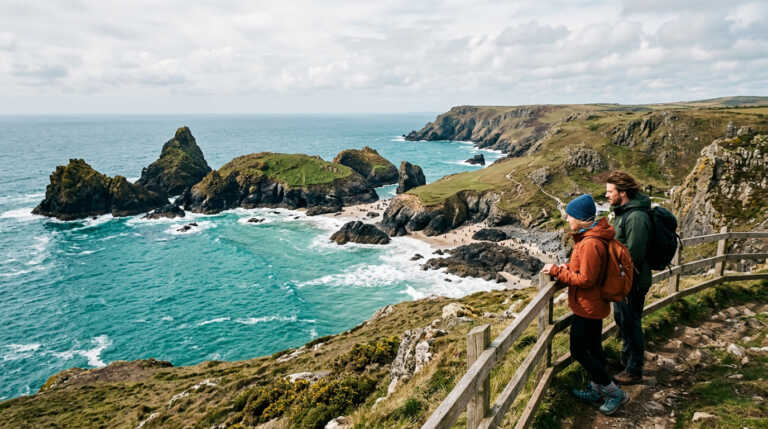
For beaches and dramatic coastal scenery, Cornwall is difficult to overlook. Located in southwestern England, Cornwall is known for sandy beaches, rugged cliffs, fishing villages and coastal walking routes.
St Ives is particularly popular for its beaches, galleries and seaside atmosphere, while Land’s End provides spectacular coastal views.
- Visit St Ives
- Explore Land’s End
- Walk sections of the South West Coast Path
- Visit coastal villages
- Spend time at Cornwall’s beaches
- Explore local seafood restaurants
- Visit gardens and historic sites
- Enjoy a traditional Cornish pasty
- Cornwall is larger than it might appear, so avoid trying to cover the entire county in one day.
- Best for: Beaches, coastal walks, families and scenic road trips.
- My tip: If you’re travelling in summer, book accommodation early because popular coastal areas can become very busy.
- Official information: Visit Cornwall
14. Glasgow, Scotland – Best for Art, Food and City Life

Glasgow sometimes gets overlooked by visitors heading straight to Edinburgh, but it deserves a place on your UK itinerary.
Scotland’s largest city has impressive architecture, museums, music venues, restaurants and a strong cultural scene.
- Kelvingrove Art Gallery and Museum
- Glasgow Cathedral
- Riverside Museum
- University of Glasgow area
- Glasgow Botanic Gardens
- George Square
- Gallery of Modern Art
- West End
- Glasgow is also a good base for exploring parts of western Scotland.
- Best for: Museums, art, architecture, shopping and food.
- My tip: Spend time in the West End. It’s a good area for cafés, restaurants, green spaces and a more relaxed side of Glasgow.
- Official information: Visit Glasgow
15. Snowdonia (Eryri), Wales – Best for Mountains and Outdoor Adventures

If mountains and outdoor adventures are your priority, Eryri (Snowdonia) National Park should be high on your list.
The area is famous for its mountains, lakes, valleys and walking routes. Yr Wyddfa (Snowdon) is the highest mountain in Wales and one of the region’s biggest attractions.
But you don’t have to climb it to enjoy Eryri. There are many other places to explore, including lakes, villages and scenic roads.
- Explore Eryri National Park
- Walk suitable mountain and countryside trails
- Visit Llanberis
- Enjoy views around Llyn Padarn
- Explore Betws-y-Coed
- Ride the scenic railway where available
- Discover waterfalls and valleys
- Explore nearby castles and villages
- Best for: Nature, hiking, photography and outdoor trips.
- My tip: Mountain conditions can change quickly. Check the official park information and weather before setting out, and choose a route appropriate for your experience.
- Official information: Eryri National Park
16. Bristol, England – Best for Art, History and a Lively Atmosphere
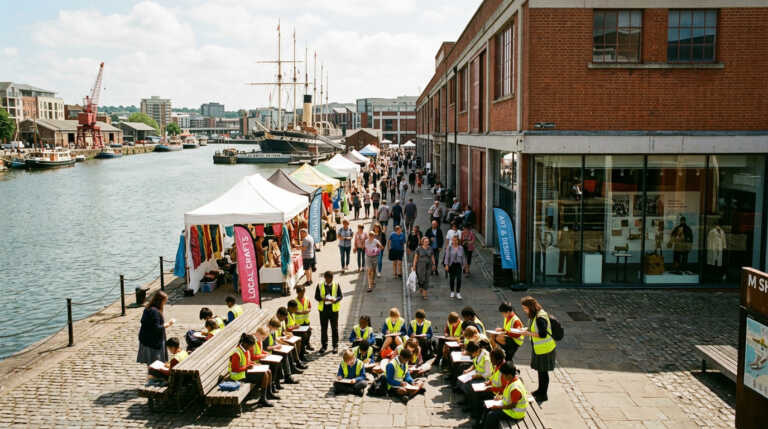
Bristol is a great choice for travellers who want a city with plenty of character. Located in southwest England, it combines historic buildings with modern art, independent businesses and a lively harbourside.
The Clifton Suspension Bridge is one of the city’s most recognisable landmarks. The harbourside is another good place to spend an afternoon, with museums, restaurants and walking routes nearby.
- See Clifton Suspension Bridge
- Explore Bristol Harbourside
- Visit M Shed
- Explore Bristol Museum & Art Gallery
- Discover the city’s street art
- Walk around Clifton
- Visit St Nicholas Market
- Enjoy local cafés and restaurants
- Best for: Art, culture, architecture and weekend city breaks.
- My tip: Bristol is particularly enjoyable if you like exploring independently rather than following a strict sightseeing schedule.
- Official information: Visit Bristol
17. Manchester, England – Best for Football, Music and City Culture

Manchester is one of the UK’s most energetic cities and has a fascinating industrial, sporting and musical history.
The city is particularly famous for football, with two internationally recognised clubs, but there is plenty to see even if you’re not a football fan. Museums, music venues, restaurants, shopping areas and historic neighbourhoods make Manchester an excellent city break.
- Explore the Northern Quarter
- Visit the Science and Industry Museum
- Explore Manchester Art Gallery
- Walk around Castlefield
- Visit the National Football Museum
- Explore the John Rylands Library
- Enjoy live music
- Try restaurants around the city centre
- Best for: Football, music, museums, shopping and nightlife.
- My tip: Spend some time around the Northern Quarter and Castlefield to experience two very different sides of Manchester.
- Official information: Visit Manchester
18. The New Forest, England – Best for Forest Walks and Family Trips
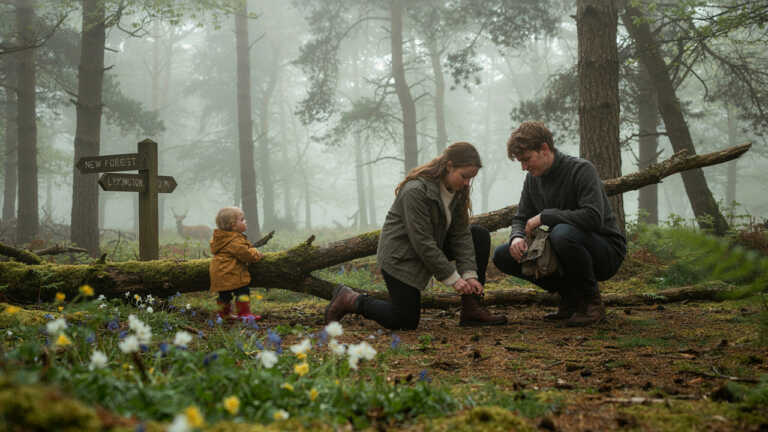
For a quieter UK getaway, the New Forest offers a refreshing change from busy cities.
Located in Hampshire, the area is known for ancient woodland, open heathland, villages and wildlife. It’s a particularly appealing destination for families, walkers and anyone who simply wants to spend more time outdoors.
- Walk through woodland trails
- Explore Brockenhurst
- Visit Lyndhurst
- Cycle through the forest
- Enjoy countryside picnics
- Explore local villages
- Visit nearby beaches
- Look for the famous New Forest ponies
- The New Forest is also well suited to a slower travel style. Instead of rushing between attractions, you can spend a day walking, cycling and exploring small villages.
- Best for: Nature, families, cycling and relaxing breaks.
- My tip: Respect local wildlife and follow marked routes when exploring the forest.
19. Inverness, Scotland – Best for Exploring the Scottish Highlands
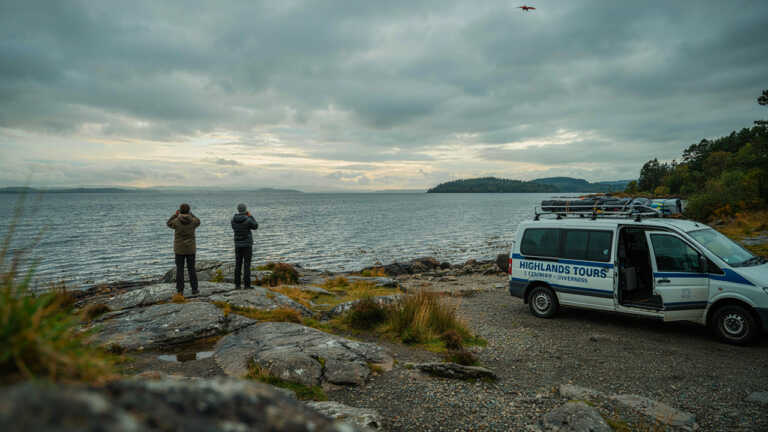
Inverness is a small city with a big advantage: its location.
Known as the capital of the Highlands, Inverness is an excellent base for exploring some of northern Scotland’s famous landscapes. Loch Ness is nearby, while the surrounding Highlands offer mountains, lochs and scenic countryside.
- Inverness city centre
- Inverness Castle area
- River Ness
- Loch Ness
- Urquhart Castle
- Culloden Battlefield
- Nearby Highland villages
- Scenic countryside
- The city itself is relatively easy to explore, but the surrounding region is where Inverness becomes especially interesting.
- Best for: Scottish Highlands, nature, history and scenic road trips.
- My tip: If you’re visiting Loch Ness, allow enough time to explore beyond simply taking a quick photo by the water.
- Official information: Visit Inverness Loch Ness
20. Canterbury, England – Best for Cathedral, History and a Traditional City Break
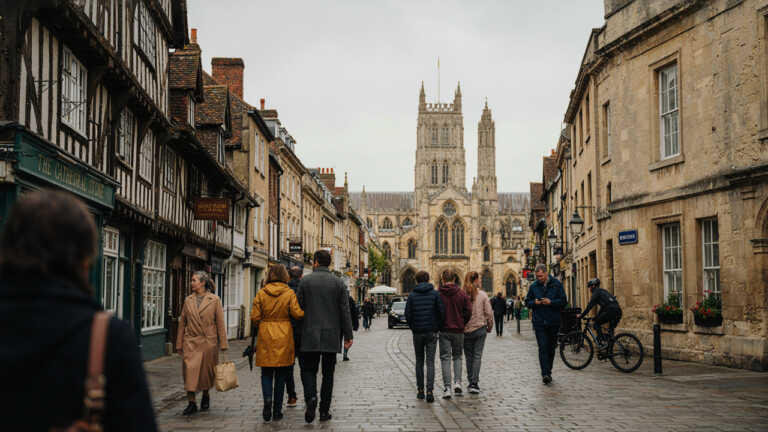
Canterbury is one of England’s most interesting historic cities and is particularly well known for its cathedral and medieval heritage.
The compact city centre makes it easy to explore on foot. Historic streets, independent shops, cafés and the River Stour all add to its charm.
- Visit Canterbury Cathedral
- Explore the historic city centre
- Walk beside the River Stour
- Discover medieval streets
- Visit Canterbury Roman Museum
- Explore local independent shops
- Take a guided walking tour
- Enjoy traditional English food
- Canterbury can work well as a day trip, but staying overnight allows you to experience the city at a more relaxed pace.
- Best for: History, architecture, walking and short breaks.
- My tip: Don’t rush through the cathedral and leave. Give yourself time to wander around the surrounding historic streets.
- Official information: Visit Canterbury
Frequently Asked Questions (FAQ)
What is the best place to visit in the UK?
London is ideal for first-time visitors, while Edinburgh, Bath, York and the Cotswolds offer different experiences.
What is the best UK destination for families?
London, the Lake District and the New Forest are great choices for family trips.
Which UK places are best for nature lovers?
The Lake District, Cotswolds, Cornwall and Eryri (Snowdonia) are excellent for nature and outdoor activities.
How many days are enough for a UK trip?
Around 7–14 days is a good starting point, depending on how many destinations you want to visit.
What is the best time to visit the UK?
Spring and early autumn are often comfortable for sightseeing, while summer offers longer daylight hours.
Can I travel around the UK without a car?
Yes. Major cities are well connected by trains and buses, although a car can be useful in rural areas.

Hi, I’m Rasel Miah, the creator of Ultimate Travel Diary. I enjoy exploring travel destinations, hotels, local food, and hidden gems across the USA and beyond. Through this blog, I share travel guides, hotel reviews, and helpful tips based on personal research and experience to help travelers plan better trips.