
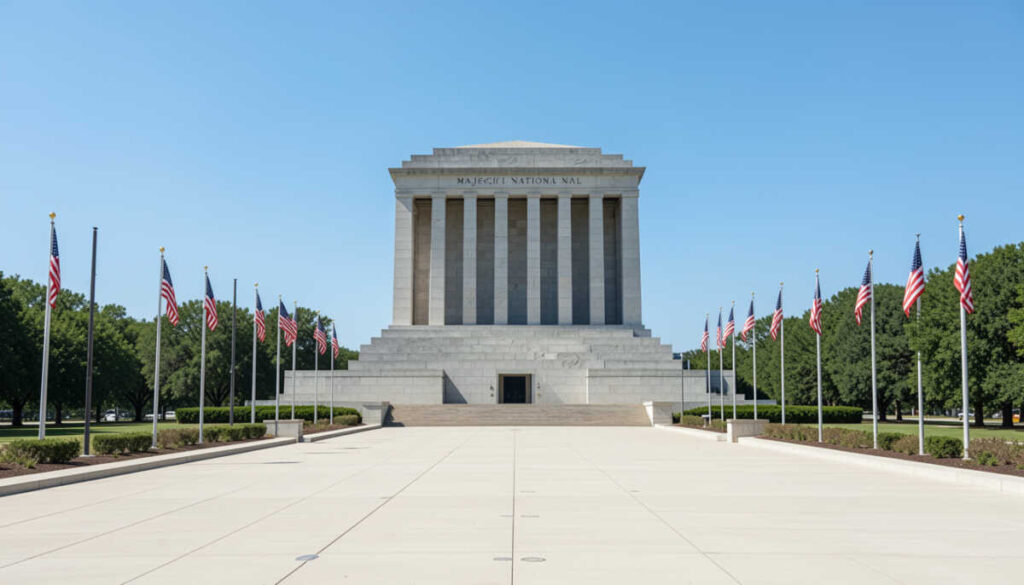
The United States is home to some of the world’s most fascinating national monuments. These protected landmarks preserve important pieces of American history, culture, and natural beauty. Whether you’re planning a road trip, a family vacation, or simply looking for inspiring destinations to add to your travel bucket list, visiting a national monument can be an unforgettable experience. In this guide, I’ll share of the most iconic national monuments in the USA, including their history, what makes them special, and practical travel tips to help you plan your visit.
1. Statue of Liberty National Monument, New York
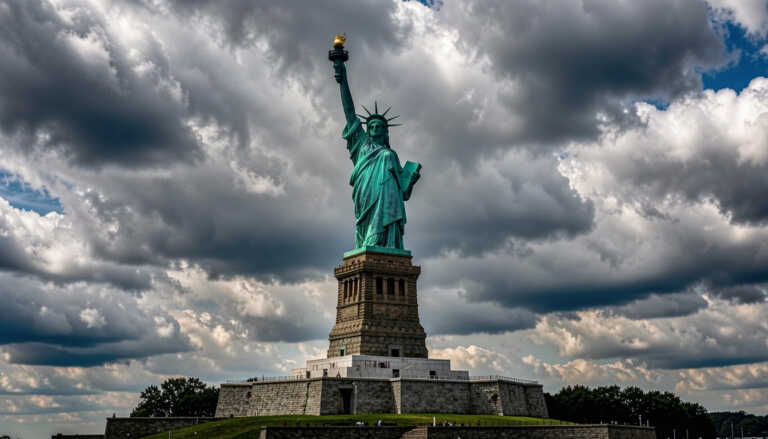
Few landmarks represent the United States more powerfully than the Statue of Liberty. Standing proudly in New York Harbor, this monument has welcomed millions of immigrants and visitors since the late 19th century.
History
The Statue of Liberty was a gift from France to the United States and was officially dedicated on October 28, 1886. Designed by French sculptor Frédéric-Auguste Bartholdi, the monument symbolizes freedom, democracy, and hope. The statue was later designated as a National Monument in 1924.
For generations of immigrants arriving by sea, the first glimpse of Lady Liberty represented a new beginning in America.
Why you will Visit?
- One of the most recognizable monuments in the world
- Incredible views of New York City’s skyline
- Interactive museum exhibits
- Access to Liberty Island and nearby Ellis Island
- Rich immigration and American history
Travel Tips
- Book ferry tickets in advance, especially during summer.
- Arrive early to avoid long lines.
- Allow at least half a day for exploring Liberty Island and Ellis Island.
- Wear comfortable walking shoes.
2. Washington Monument, Washington, D.C.
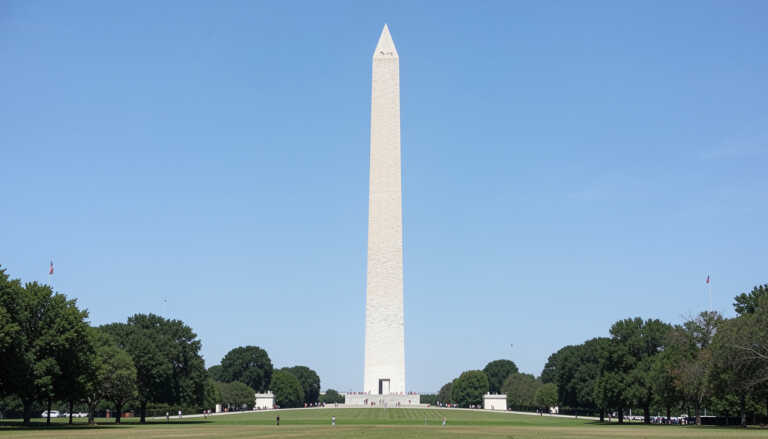
Located on the National Mall, the Washington Monument honors America’s first president, George Washington. Its towering marble obelisk has become one of the most famous landmarks in the nation’s capital.
History
Construction began in 1848 and was completed in 1884. The monument stands approximately 555 feet tall, making it one of the tallest stone structures in the world. It was built to commemorate George Washington’s leadership during the American Revolution and his service as the first President of the United States.
Why you will Visit?
- Panoramic views of Washington, D.C.
- Historical exhibits inside the monument
- Easy access to nearby memorials and museums
- Excellent photography opportunities
Travel Tips
- Admission is free, but tickets are required.
- Reserve tickets online in advance during peak travel seasons.
- Visit around sunset for spectacular city views.
- Combine your visit with the Lincoln Memorial and the U.S. Capitol.
3. Devils Tower National Monument, Wyoming
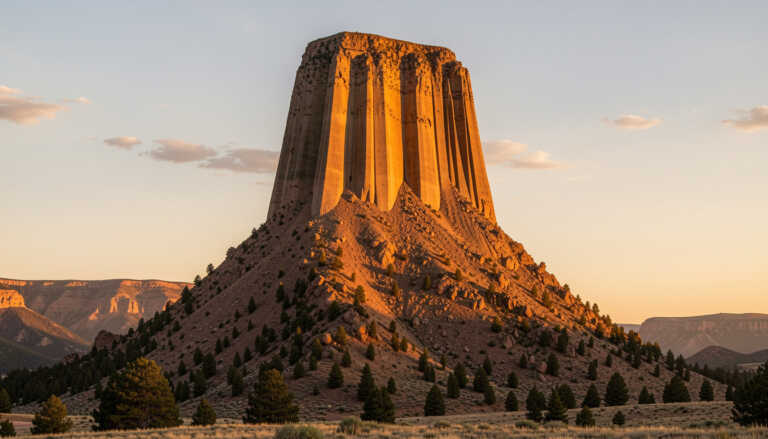
If you’re looking for a monument that combines natural wonder with cultural significance, Devils Tower should be at the top of your list.
History
Established in 1906 by President Theodore Roosevelt, Devils Tower became the first National Monument in United States history. Rising dramatically above the surrounding landscape, the massive rock formation has spiritual significance for many Native American tribes and remains one of the country’s most unique geological landmarks.
Why you will Visit?
- America’s first national monument
- Unique geological formation
- Scenic hiking trails
- Wildlife viewing opportunities
- Popular destination for photography and rock climbing
- Many travelers describe their first view of Devils Tower as unforgettable because the formation seems to emerge suddenly from the rolling plains of Wyoming.
Travel Tips
- Visit between late spring and early fall for the best weather.
- Walk the Tower Trail for excellent viewpoints.
- Bring a camera for sunrise and sunset photography.
- Start your day early during summer when parking fills quickly.
4. Mount Rushmore National Memorial, South Dakota
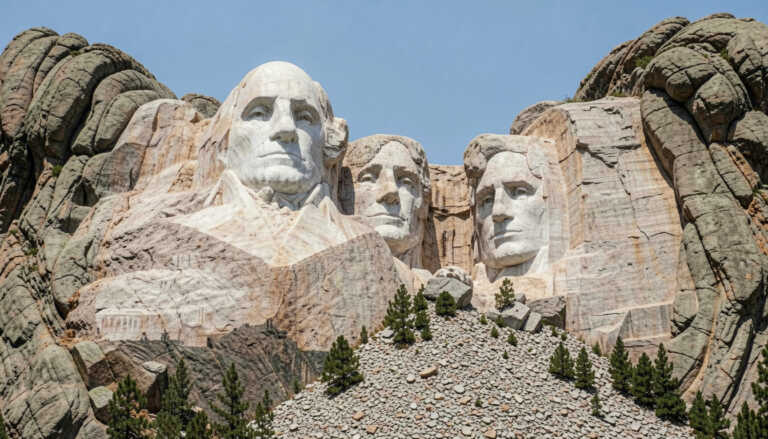
Mount Rushmore is one of the most visited landmarks in the United States. Carved into the granite face of the Black Hills, the monument features the 60-foot-tall faces of four U.S. presidents: George Washington, Thomas Jefferson, Theodore Roosevelt, and Abraham Lincoln.
History
Construction began in 1927 under sculptor Gutzon Borglum and was completed in 1941. The monument was created to celebrate key moments in American history and the leaders who helped shape the nation.
Why you will Visit?
- Massive presidential sculptures carved into a mountain
- Scenic views of the Black Hills
- Educational exhibits and museums
- Evening lighting ceremony during the summer season
Travel Tips
- Visit early in the morning for fewer crowds.
- Explore the Presidential Trail for close-up views.
- Allow at least 2–3 hours for your visit.
- Summer offers the most activities, but fall provides smaller crowds.
5. Cabrillo National Monument, California
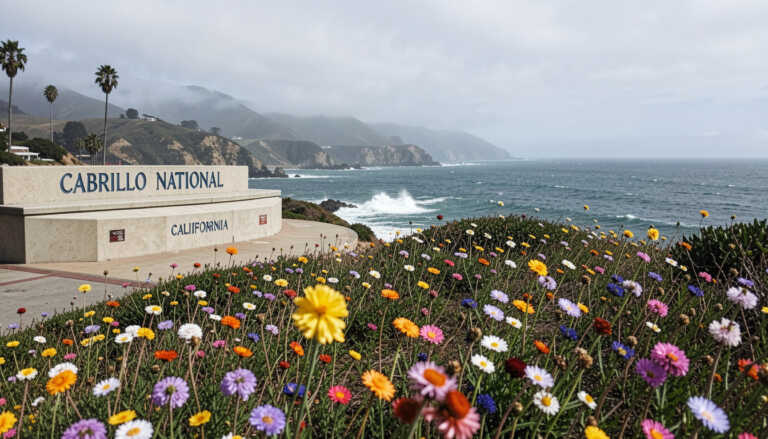
Located at the southern tip of San Diego, Cabrillo National Monument commemorates the landing of explorer Juan Rodríguez Cabrillo, who became the first European to reach the West Coast of present-day America in 1542.
History
The monument was established in 1913 to honor Cabrillo’s historic voyage. Today, it preserves both historical landmarks and beautiful coastal ecosystems.
Why you will Visit?
- Stunning Pacific Ocean views
- Historic lighthouse
- Seasonal whale watching opportunities
- Tide pools filled with marine life
Travel Tips
- Visit during low tide to explore the tide pools.
- Bring binoculars for whale watching.
- Sunset is one of the best times for photography.
- Combine your visit with a trip to downtown San Diego.
6. Castle Clinton National Monument, New York
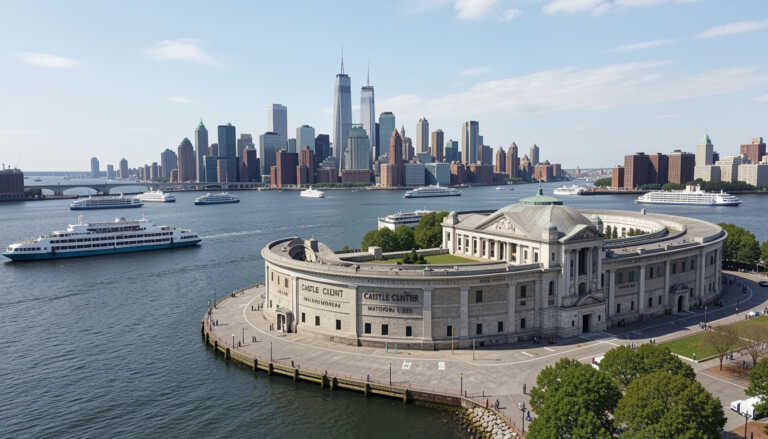
Castle Clinton sits in Lower Manhattan and has played many roles throughout American history, including military defense, an immigration station, an aquarium, and a cultural venue.
History
Built between 1808 and 1811, Castle Clinton originally protected New York Harbor. Before Ellis Island opened, millions of immigrants entered the United States through this historic site.
Why you will Visit?
- Important immigration history
- Located near Battery Park
- Walking distance from ferry departures to the Statue of Liberty
- Free admission
Travel Tips
- Visit before boarding the ferry to Liberty Island.
- Combine with a tour of Lower Manhattan.
- Explore nearby waterfront attractions.
- Read the historical exhibits to understand New York’s early development.
7. Colorado National Monument, Colorado
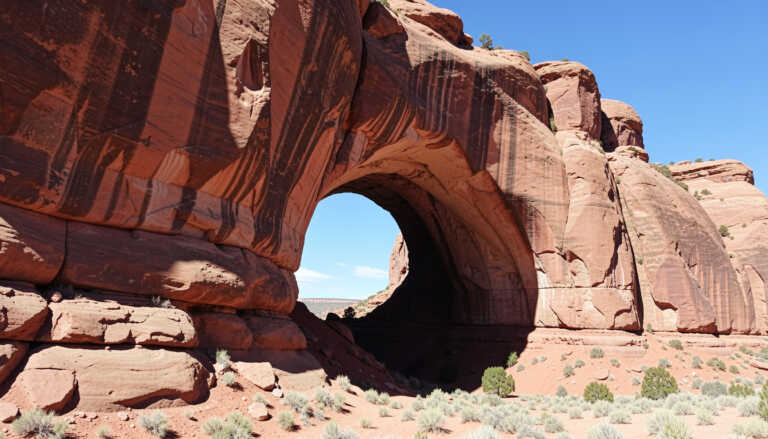
Often overshadowed by nearby national parks, Colorado National Monument is one of the American West’s hidden gems. Located near Grand Junction, it features towering red-rock canyons, dramatic cliffs, and breathtaking desert landscapes.
History
President Theodore Roosevelt designated Colorado National Monument in 1911 to protect its unique geological formations. The area showcases millions of years of natural history carved into colorful sandstone cliffs.
Why you will Visit?
- Spectacular scenic drives along Rim Rock Drive
- Stunning canyon viewpoints
- Hiking trails for all skill levels
- Opportunities to spot bighorn sheep and golden eagles
Travel Tips
- Visit during spring or fall for comfortable temperatures.
- Drive the full Rim Rock Drive for the best experience.
- Bring plenty of water, especially in summer.
- Sunrise and sunset offer incredible photography opportunities.
8. Jewel Cave National Monument, South Dakota
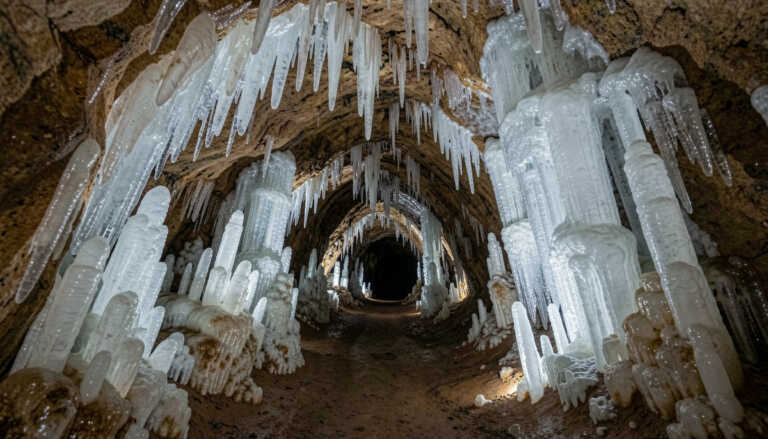
Jewel Cave is one of the longest cave systems ever discovered, with more than 220 miles of mapped passages. Its sparkling crystal formations inspired its name and continue to amaze visitors today.
History
The cave was discovered in 1900 and became a National Monument in 1908. Explorers continue to map new passages, making it one of the most fascinating underground landscapes in the world.
Why you will Visit?
- One of the world’s longest caves
- Guided cave tours
- Unique crystal formations
- Educational programs about geology and cave exploration
Travel Tips
- Reserve cave tours in advance during peak season.
- Bring a light jacket since cave temperatures remain cool year-round.
- Arrive early for ticket availability.
- Wear sturdy shoes for walking on underground trails.
9. Walnut Canyon National Monument, Arizona
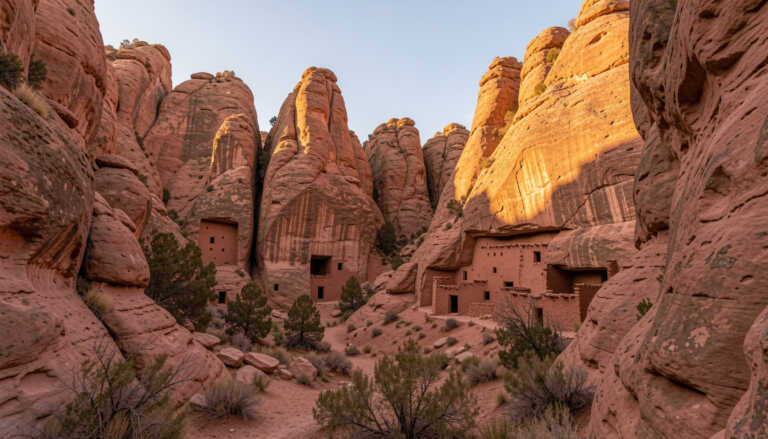
Walnut Canyon offers visitors a chance to see remarkably preserved cliff dwellings built by the Sinagua people more than 800 years ago. The monument combines cultural history with beautiful canyon scenery.
History
Established in 1915, Walnut Canyon protects ancient archaeological sites that provide insight into the lives of Indigenous communities that once thrived in northern Arizona.
Why you will Visit?
- Ancient cliff dwellings
- Fascinating Native American history
- Scenic hiking trails
- Beautiful canyon views
Travel Tips
- Wear comfortable hiking shoes.
- Visit during spring or fall for milder weather.
- Bring water, especially during warmer months.
- Allow time to explore the visitor center exhibits.
10. Muir Woods National Monument, California
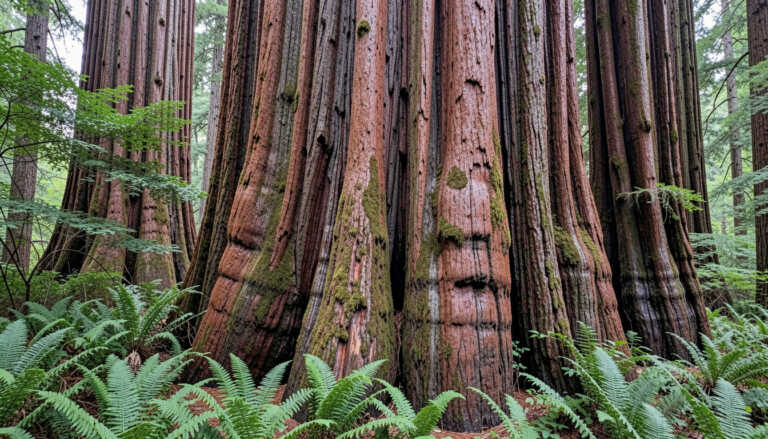
Just a short drive from San Francisco, Muir Woods National Monument protects one of the last remaining old-growth coastal redwood forests in the United States. Walking among these towering trees is an experience that makes many visitors feel incredibly small in the best possible way.
History
Established in 1908 by President Theodore Roosevelt, Muir Woods was created to preserve ancient redwood trees that can grow over 250 feet tall and live for more than 1,000 years. The monument was named after renowned naturalist and conservationist John Muir, whose efforts helped inspire America’s conservation movement.
Why you will Visit?
- Ancient coastal redwood trees
- Easy walking trails suitable for most visitors
- Peaceful forest atmosphere
- Excellent wildlife and birdwatching opportunities
- Convenient day trip from San Francisco
Travel Tips
- Reserve parking or shuttle tickets in advance, especially during peak seasons.
- Visit early in the morning for a quieter experience.
- Bring a light jacket, as temperatures in the forest can be cooler than nearby cities.
- Stay on designated trails to help protect the fragile ecosystem.
Frequently Asked Questions (FAQ)
What is a U.S. National Monument?
A U.S. National Monument is a protected site created to preserve important historical, cultural, or natural landmarks.
Who can declare a national monument?
The President of the United States or Congress can designate national monuments.
What is the most famous national monument in the USA?
The Statue of Liberty is one of the most famous and widely recognized national monuments.
Are national monuments free to visit?
Some are free, but many require entrance fees, parking fees, or ticket reservations.
Can national monuments be natural sites?
Yes, many national monuments protect natural wonders like mountains, forests, caves, and rock formations.
What is the oldest national monument in the USA?
Devils Tower National Monument in Wyoming, established in 1906.

Hi, I’m Rasel Miah, the creator of Ultimate Travel Diary. I enjoy exploring travel destinations, hotels, local food, and hidden gems across the USA and beyond. Through this blog, I share travel guides, hotel reviews, and helpful tips based on personal research and experience to help travelers plan better trips.