
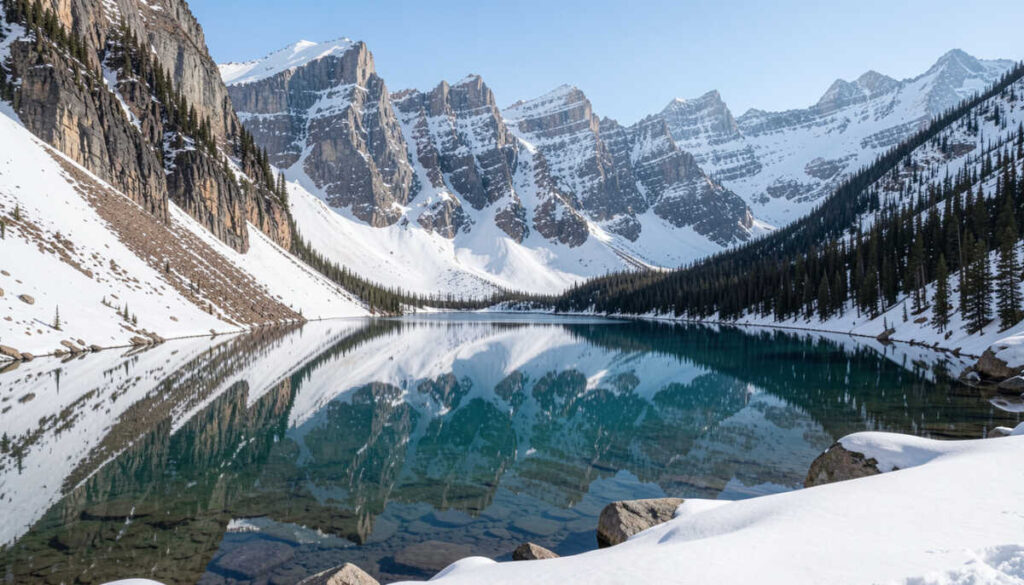
The United States is home to some of the world’s most breathtaking natural scenery. From towering mountain ranges and colorful canyons to crystal-clear lakes and dramatic coastlines, every region offers something unique. Whether you’re planning your next road trip, looking for the perfect hiking destination, or simply searching for beautiful places to add to your travel bucket list, these landscapes deserve your attention. In this guide, I’ve selected of the most stunning landscapes in the USA based on their natural beauty, visitor experience, and unique geological features. You’ll also find travel tips, the best times to visit, and official resources to help you plan your trip.
1. Yellowstone National Park, Wyoming, Montana & Idaho
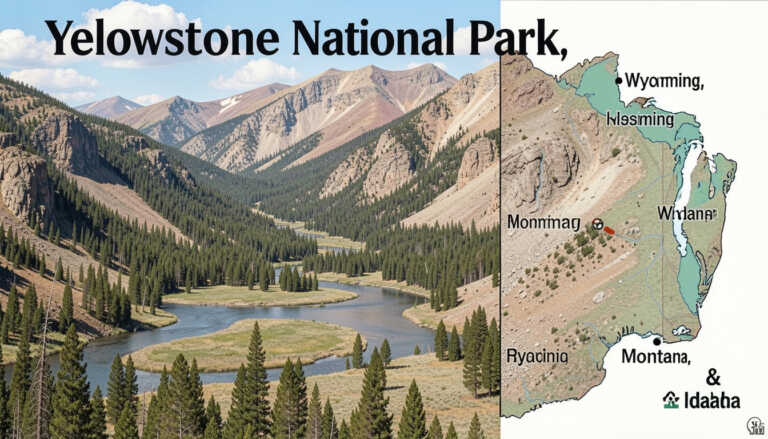
Yellowstone National Park is unlike anywhere else on Earth. Established in 1872, it became the world’s first national park and remains one of America’s greatest natural treasures. Covering more than 2.2 million acres, Yellowstone is famous for colorful hot springs, powerful geysers, waterfalls, forests, wildlife, and volcanic landscapes.
One of the biggest highlights is the Grand Prismatic Spring, the largest hot spring in the United States. Its brilliant blue center surrounded by orange, yellow, and green bacterial mats creates one of the most photographed scenes in North America.
Another must-see attraction is Old Faithful, a geyser that erupts approximately every 90 minutes, sending steaming water high into the sky.
- World’s first national park
- Home to over 10,000 geothermal features
- Excellent wildlife viewing opportunities
- Hundreds of hiking trails
- Spectacular waterfalls and canyons
Best Things to Do
- Watch Old Faithful erupt
- Walk the Grand Prismatic Spring boardwalk
- Drive through Lamar Valley for wildlife
- Visit Yellowstone Lake
- Explore the Grand Canyon of the Yellowstone
- Photograph Lower Falls
Wildlife You May See
- American bison
- Elk
- Moose
- Wolves
- Black bears
- Grizzly bears
- Bald eagles
- Best Time to Visit: Late May through September offers pleasant weather and full access to roads and visitor facilities. September is especially beautiful because of fewer crowds and colorful fall scenery.
- Official Website: https://www.nps.gov/yell/index.htm
2. Antelope Canyon, Arizona
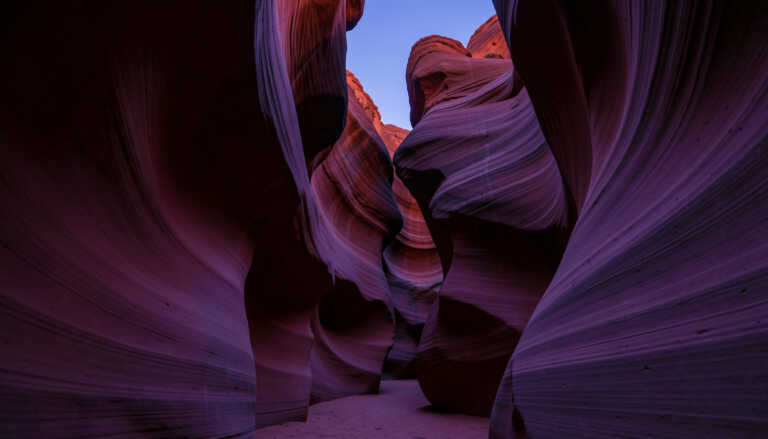
Antelope Canyon is one of the most photographed landscapes in the United States. Located near Page, Arizona, this incredible slot canyon was carved by flash floods over thousands of years, creating smooth sandstone walls with flowing curves and dramatic textures.
Sunlight shining through narrow openings creates magical beams of light that change throughout the day, making every visit unique.
The canyon is located on Navajo Nation land, and visitors must join guided tours led by Navajo guides.
- Incredible natural sandstone formations
- World-famous photography destination
- Beautiful light beams during midday
- Easy walking routes
- Rich Navajo cultural history
Upper vs. Lower Antelope Canyon
- Easier walking
- Famous light beams
- Suitable for most visitors
- More adventurous
- Narrow passageways
- Fewer crowds
- Excellent photography
Travel Tips
- Book your tour weeks in advance.
- Midday offers the best lighting.
- Bring a camera with plenty of storage.
- Wear comfortable walking shoes.
- Best Time to Visit: March through October provides the best lighting conditions for photography.
- Official Website: https://www.antelopecanyon.com/
3. Glacier National Park, Montana
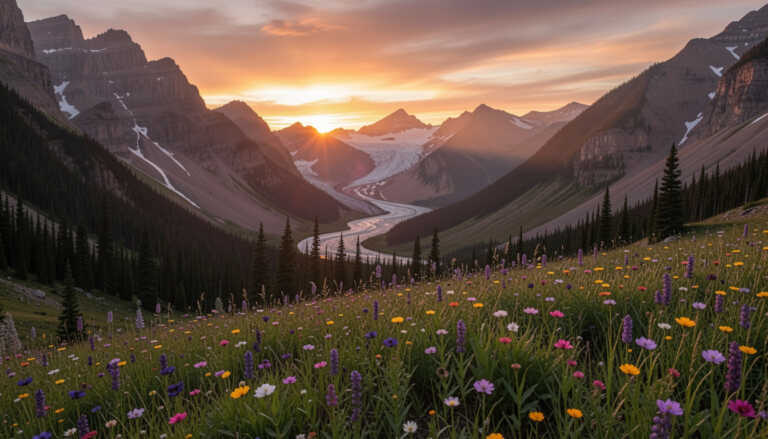
Glacier National Park showcases some of the most spectacular mountain scenery in North America. Located in northern Montana near the Canadian border, the park features rugged peaks, turquoise lakes, alpine meadows, glaciers, and more than 700 miles of hiking trails.
The iconic Going-to-the-Sun Road is considered one of America’s greatest scenic drives. The winding road crosses mountain passes, waterfalls, forests, and breathtaking viewpoints that leave visitors speechless.
- Crystal-clear alpine lakes
- Snow-capped mountains
- Scenic drives
- Incredible hiking trails
- Abundant wildlife
- Stunning sunrise and sunset photography
Top Attractions
- Going-to-the-Sun Road
- Hidden Lake
- Lake McDonald
- Logan Pass
- Grinnell Glacier
- Many Glacier Valley
Popular Wildlife
- Mountain goats
- Bighorn sheep
- Moose
- Black bears
- Grizzly bears
- Best Time to Visit: July through early September offers the warmest weather and fully open roads.
- Official Website: https://www.nps.gov/glac/index.htm
4. Great Smoky Mountains National Park, Tennessee & North Carolina
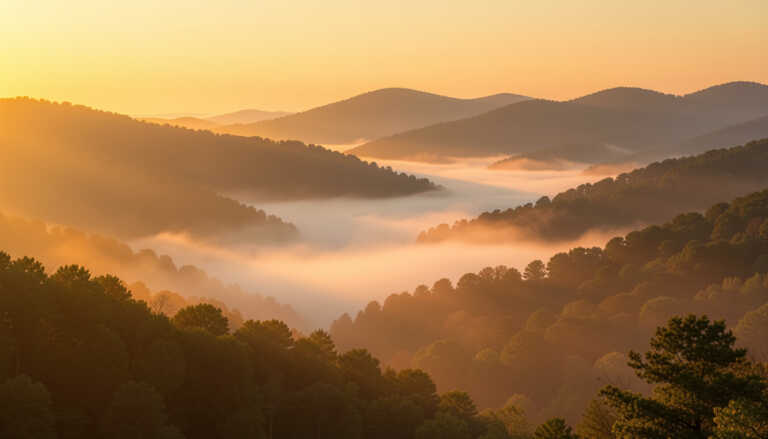
The Great Smoky Mountains National Park is the most visited national park in the United States, attracting millions of visitors every year. Known for its mist-covered mountain peaks, dense forests, cascading waterfalls, and rich biodiversity, this UNESCO World Heritage Site offers breathtaking scenery in every season.
More than 800 miles of hiking trails wind through ancient forests, mountain ridges, and peaceful valleys. During spring, wildflowers blanket the hillsides, while autumn transforms the park into a colorful display of red, orange, and gold.
- America’s most visited national park
- Incredible fall foliage
- Historic mountain cabins and churches
- Scenic mountain drives
- Over 19,000 documented species of plants and animals
Top Attractions
- Clingmans Dome Observation Tower
- Cades Cove Scenic Loop
- Roaring Fork Motor Nature Trail
- Laurel Falls
- Newfound Gap
- Alum Cave Trail
- Best Time to Visit: April through June is ideal for wildflowers, while October is the best month for colorful fall foliage.
- Official Website: https://www.nps.gov/grsm/index.htm
5. Monument Valley, Arizona & Utah
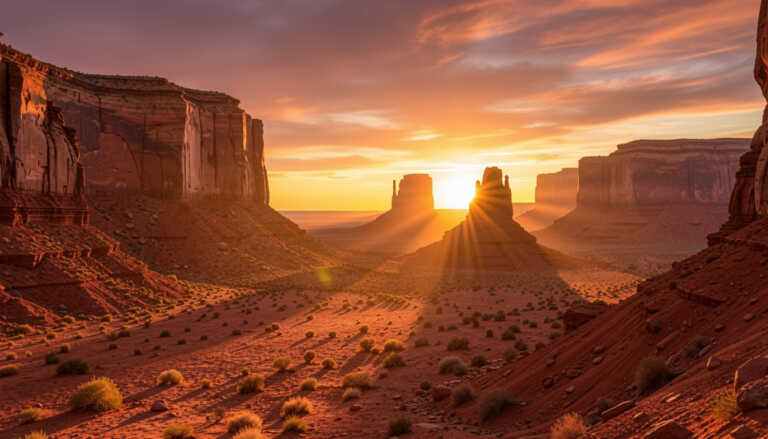
Monument Valley is one of the most iconic landscapes in the American Southwest. Its towering red sandstone buttes rise dramatically from the desert floor, creating scenery that has appeared in countless Western movies, travel magazines, and photography collections.
Located within the Navajo Nation Reservation, Monument Valley combines extraordinary natural beauty with deep cultural significance. Guided tours led by Navajo guides provide insights into the area’s history, traditions, and sacred landmarks.
- Massive sandstone formations reaching over 1,000 feet
- Famous viewpoints featured in Hollywood films
- Incredible sunrise and sunset photography
- Navajo cultural experiences
- Scenic 17-mile Valley Drive
Best Activities
- Drive the Valley Loop Road
- Join a Navajo-guided backcountry tour
- Photograph the Mittens formations
- Watch sunrise over the desert
- Visit the Visitor Center
- Best Time to Visit: March through May and September through November offer comfortable temperatures and clear skies.
6. Crater Lake National Park, Oregon
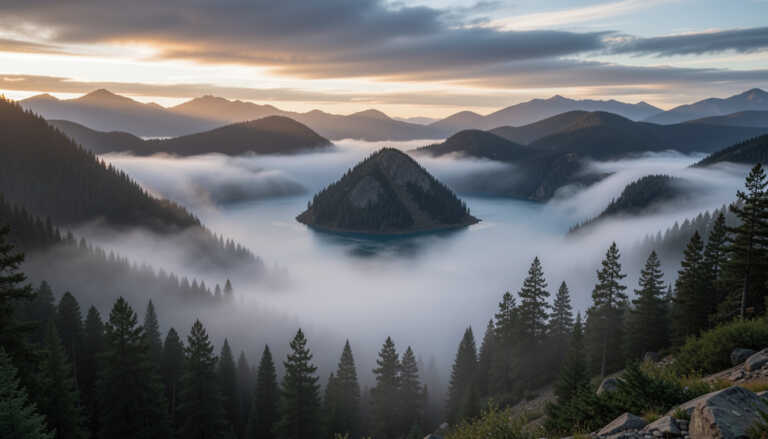
Crater Lake National Park is home to the deepest lake in the United States, famous for its remarkably deep blue water and exceptional clarity. Formed nearly 7,700 years ago after the collapse of Mount Mazama, the lake sits inside a massive volcanic caldera surrounded by steep cliffs.
On sunny days, the vivid blue water contrasts beautifully with the surrounding evergreen forests and volcanic rock, making it one of the most stunning natural landscapes in the country.
- Deepest lake in the United States
- Crystal-clear blue water
- Scenic Rim Drive with spectacular viewpoints
- Volcanic geology
- Excellent hiking opportunities
Must-See Attractions
- Rim Drive
- Wizard Island
- Watchman Peak
- Discovery Point
- Cleetwood Cove Trail
- Phantom Ship Overlook
- Best Time to Visit: July through September provides the best weather, with all park roads typically open and ideal conditions for hiking and sightseeing.
- Official Website: https://www.nps.gov/crla/index.htm
7. Zion National Park, Utah
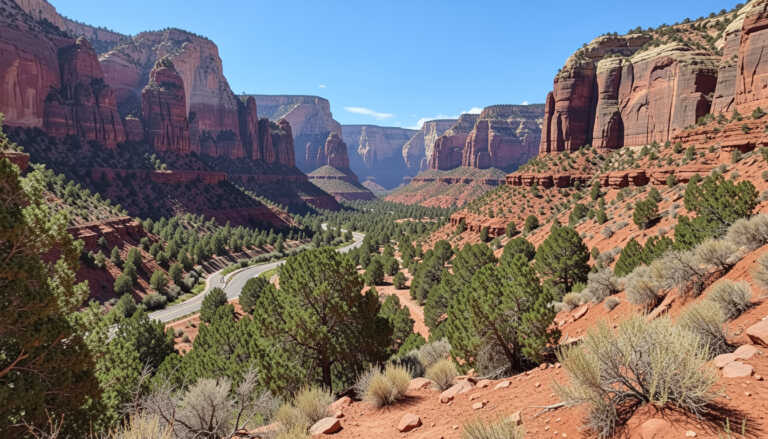
Zion National Park is one of the most spectacular landscapes in the American Southwest. Towering sandstone cliffs in shades of red, pink, and cream surround lush valleys, while the Virgin River winds through the heart of the park. Whether you’re an experienced hiker or simply enjoy scenic drives, Zion offers unforgettable views at every turn.
The park is especially famous for its dramatic canyon walls and iconic hiking trails. Even if you don’t tackle the more challenging routes, the scenic shuttle and shorter walks provide incredible opportunities to experience Zion’s beauty.
- Massive sandstone cliffs over 2,000 feet tall
- Scenic canyon views
- World-famous hiking trails
- Excellent wildlife viewing
- Beautiful sunrise and sunset photography
Top Attractions
- Angels Landing
- The Narrows
- Emerald Pools
- Canyon Overlook Trail
- Zion Canyon Scenic Drive
- Riverside Walk
- Best Time to Visit: Spring (April–May) and fall (September–October) offer pleasant temperatures and fewer crowds than summer.
- Official Website: https://www.nps.gov/zion/index.htm
8. Mount Rainier National Park, Washington
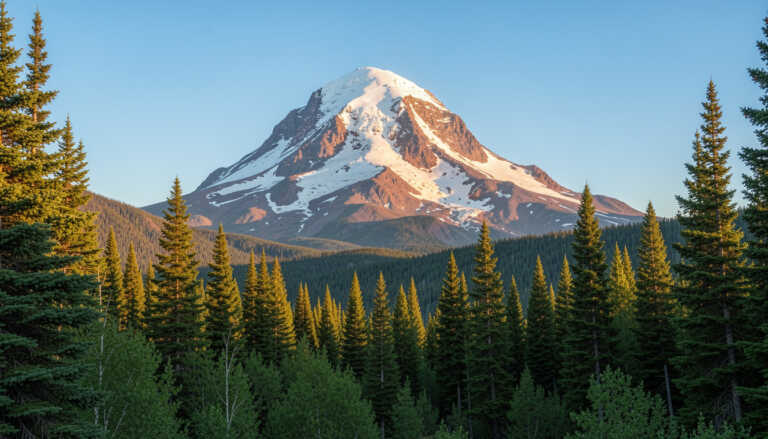
Dominating the Washington skyline at 14,410 feet, Mount Rainier is an active volcano surrounded by glaciers, waterfalls, alpine meadows, and old-growth forests. During summer, the meadows burst into color with thousands of wildflowers, creating one of the most beautiful mountain landscapes in the United States.
Photographers especially love Reflection Lake, where calm mornings often produce a perfect mirror image of the mountain.
- Snow-covered volcanic peak
- More than 25 major glaciers
- Colorful wildflower meadows
- Scenic mountain roads
- Excellent hiking trails
Best Things to Do
- Visit Paradise Visitor Center
- Walk Skyline Trail
- Stop at Reflection Lake
- Explore Sunrise Point
- Photograph Myrtle Falls
- Watch wildlife in alpine meadows
- Best Time to Visit: July through early September offers the best weather, open roads, and peak wildflower season.
- Official Website: https://www.nps.gov/mora/index.htm
9. Big Sur Coast, California
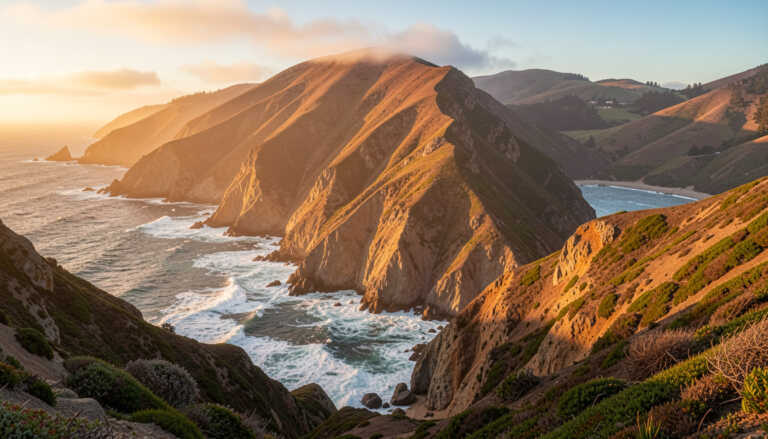
Big Sur is one of the most scenic coastal destinations in the United States. Stretching along California’s Highway 1, this rugged coastline features dramatic cliffs, turquoise Pacific waters, hidden beaches, towering redwood forests, and unforgettable ocean viewpoints.
The drive itself is considered one of the world’s greatest road trips, with countless places to stop for photos, short hikes, and panoramic vistas.
- Spectacular Pacific Ocean views
- Iconic coastal highway
- Famous Bixby Creek Bridge
- Waterfalls flowing into the ocean
- Redwoods and hiking trails
Top Attractions
- Bixby Creek Bridge
- McWay Falls
- Pfeiffer Beach
- Julia Pfeiffer Burns State Park
- Garrapata State Park
- Point Sur Lighthouse
- Best Time to Visit: September through November typically offers clear skies, mild temperatures, and fewer visitors than peak summer.
- Official Website: https://www.parks.ca.gov/?page_id=578
10. Bryce Canyon National Park, Utah
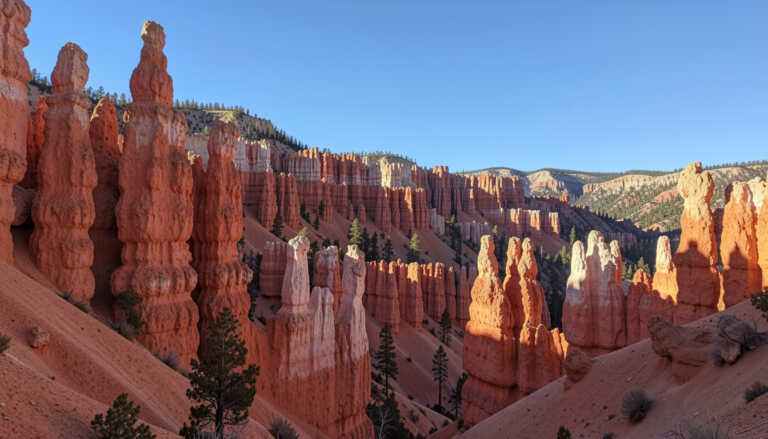
Bryce Canyon National Park is famous for its incredible collection of hoodoos—tall, thin rock spires shaped by millions of years of erosion. The park’s natural amphitheaters glow in shades of orange, red, pink, and white, creating one of the most unique landscapes in the United States.
Sunrise is the best time to visit, as the first rays of light make the colorful hoodoos appear to glow. Whether you hike into the canyon or admire it from the rim, Bryce Canyon offers unforgettable views.
- Home to the world’s largest concentration of hoodoos
- Spectacular sunrise viewpoints
- Scenic hiking trails
- Dark skies perfect for stargazing
- Beautiful year-round landscapes
Top Attractions
- Sunrise Point
- Sunset Point
- Bryce Amphitheater
- Navajo Loop Trail
- Queen’s Garden Trail
- Inspiration Point
- Best Time to Visit: May through September offers comfortable weather and full access to hiking trails and scenic drives.
- Official Website: https://www.nps.gov/brca/index.htm
11. Acadia National Park, Maine
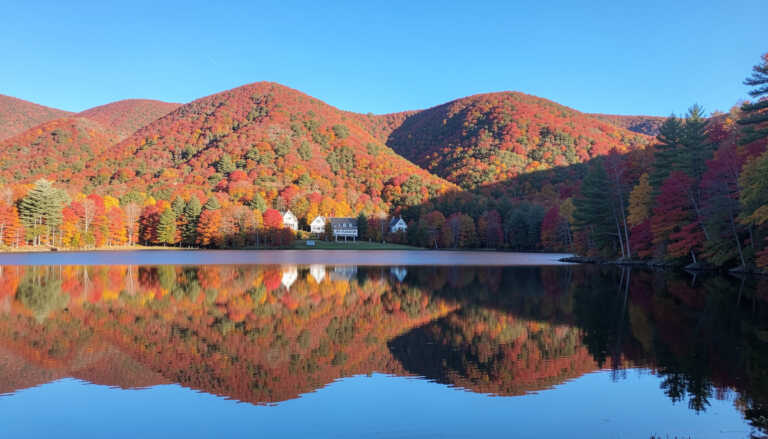
Acadia National Park combines rugged Atlantic coastline, granite peaks, evergreen forests, and peaceful lakes into one spectacular destination. Located on Maine’s Mount Desert Island, it’s one of the few U.S. national parks where mountains meet the ocean.
Cadillac Mountain is especially popular because it’s one of the first places in the continental United States to see the sunrise during much of the year.
- Dramatic rocky coastline
- Scenic mountain views
- Historic carriage roads
- Beautiful lakes and forests
- Excellent hiking and cycling
Must-See Places
- Cadillac Mountain
- Jordan Pond
- Sand Beach
- Thunder Hole
- Bass Harbor Head Lighthouse
- Park Loop Road
- Best Time to Visit; September and early October are ideal for pleasant weather and vibrant fall foliage.
- Official Website: https://www.nps.gov/acad/index.htm
12. Grand Teton National Park, Wyoming
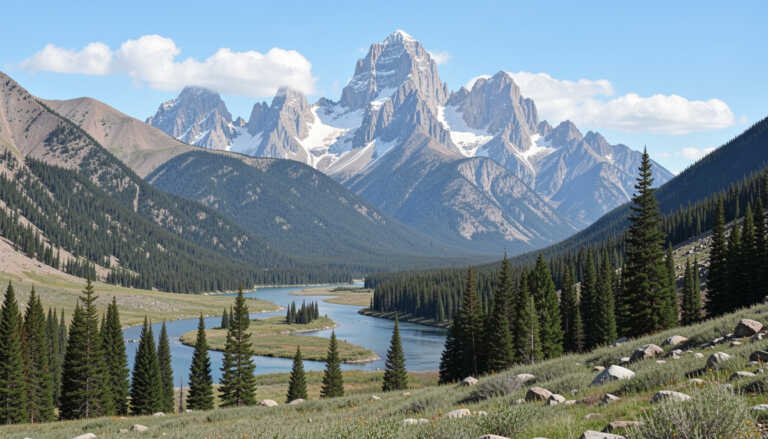
Grand Teton National Park is renowned for its dramatic mountain range, crystal-clear alpine lakes, and abundant wildlife. The jagged Teton Peaks rise sharply above the valley floor, creating one of the most iconic mountain skylines in North America.
Outdoor enthusiasts flock here for hiking, kayaking, fishing, wildlife photography, and scenic drives. The park is also located just south of Yellowstone National Park, making it easy to visit both on the same trip.
- Stunning mountain scenery
- Pristine alpine lakes
- Excellent wildlife viewing
- World-class hiking trails
- Incredible sunrise and sunset photography
Top Attractions
- Jenny Lake
- Snake River Overlook
- Mormon Row Historic District
- Hidden Falls
- Signal Mountain
- Schwabacher Landing
- Best Time to Visit: June through September offers the best weather for hiking, boating, and wildlife viewing.
- Official Website: https://www.nps.gov/grte/index.htm
13. Valley of Fire State Park, Nevada
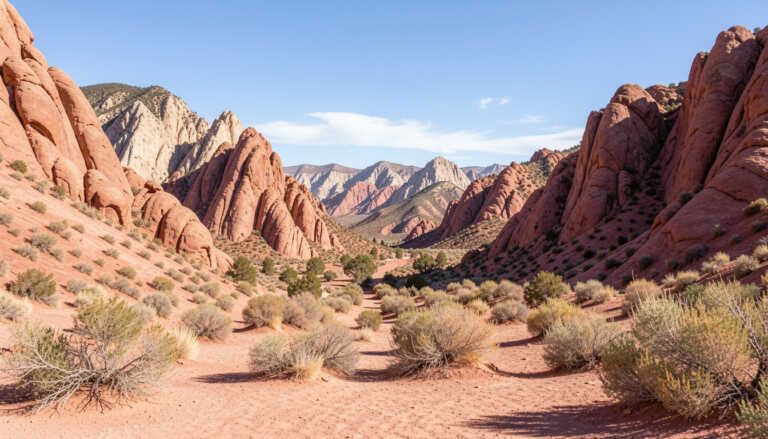
Just an hour’s drive from Las Vegas, Valley of Fire State Park is Nevada’s oldest and most spectacular state park. Named for its vibrant red Aztec sandstone formations, the park looks especially dramatic at sunrise and sunset when the rocks appear to glow like flames.
The landscape features ancient petrified trees, narrow canyons, natural arches, and petroglyphs carved by Indigenous peoples thousands of years ago. It’s a paradise for photographers, hikers, and anyone who enjoys unique desert scenery.
- Brilliant red sandstone landscapes
- Ancient petroglyphs
- Easy hiking trails
- Excellent photography locations
- Less crowded than many national parks
Top Attractions
- Fire Wave Trail
- Elephant Rock
- White Domes Trail
- Atlatl Rock
- Rainbow Vista
- Mouse’s Tank Road
- Best Time to Visit: October through April offers cooler temperatures, making hiking much more comfortable.
- Official Website: https://parks.nv.gov/parks/valley-of-fire
14. Olympic National Park, Washington
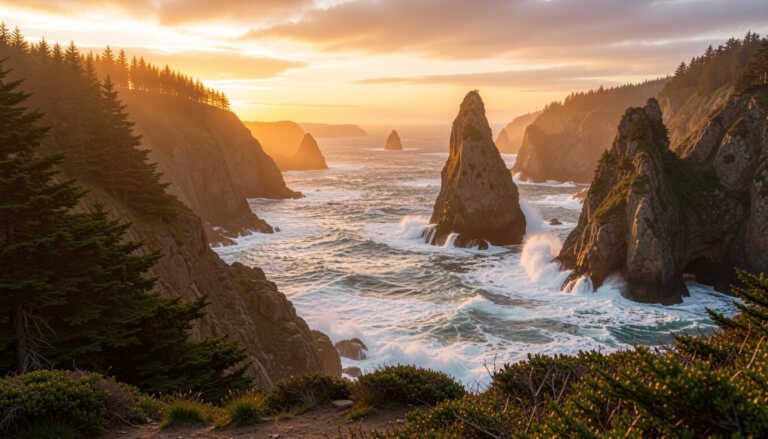
Olympic National Park is one of the most diverse natural landscapes in the United States. Within a single park, you can explore lush temperate rainforests, snow-covered mountains, alpine meadows, wild Pacific beaches, and crystal-clear lakes.
The famous Hoh Rain Forest receives up to 14 feet of rain annually, creating a magical environment filled with moss-covered trees and fern-lined trails. Along the coast, sea stacks rise from the Pacific Ocean, adding to the park’s unforgettable scenery.
- Temperate rainforest
- Rugged Pacific coastline
- Mountain viewpoints
- Waterfalls and lakes
- Diverse wildlife habitats
Must-See Places
- Hoh Rain Forest
- Hurricane Ridge
- Ruby Beach
- Lake Crescent
- Sol Duc Falls
- Rialto Beach
- Best Time to Visit: July through September provides the best weather for hiking, sightseeing, and coastal exploration.
- Official Website: https://www.nps.gov/olym/index.htm
15. Arches National Park, Utah
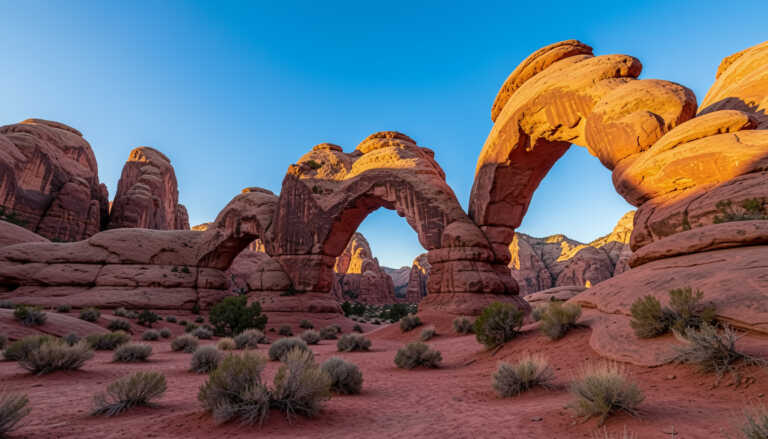
Arches National Park is home to more than 2,000 natural sandstone arches, making it one of the most extraordinary geological landscapes in the world. Located near Moab, Utah, the park showcases towering rock fins, balanced rocks, and colorful desert scenery shaped by millions of years of erosion.
The park’s most famous landmark, Delicate Arch, has become one of the most recognizable natural symbols of the American West. Sunrise and sunset are particularly rewarding times to visit, as the changing light enhances the vibrant red and orange rock formations.
- More than 2,000 natural stone arches
- Iconic desert landscapes
- Outstanding hiking opportunities
- Incredible sunrise and sunset views
- Internationally famous photography destination
Top Attractions
- Delicate Arch
- Landscape Arch
- Double Arch
- Balanced Rock
- The Windows Section
- Park Avenue Trail
- Best Time to Visit: April through May and September through October offer mild temperatures and ideal conditions for hiking and photography.
- Official Website: https://www.nps.gov/arch/index.htm
Frequently Asked Questions (FAQ)
What is the most beautiful landscape in the USA?
- Popular choices include Yellowstone National Park, Grand Teton National Park, Zion National Park, and Antelope Canyon, though the best one depends on your interests.
When is the best time to visit these landscapes?
- Late spring through early fall (May to September) generally offers the best weather and access to most parks and trails.
Are these landscapes suitable for families?
- Yes. Most national parks have family-friendly viewpoints, easy hiking trails, visitor centers, and picnic areas.
Do I need reservations to visit?
- Some parks and attractions require timed-entry passes or guided tour reservations during peak seasons. Check the official website before your trip.
Which landscape is best for photography?
- Antelope Canyon, Bryce Canyon, Glacier National Park, and Big Sur are among the top photography destinations in the USA.
How can I help protect these natural places?
- Stay on marked trails, pack out your trash, respect wildlife, and follow Leave No Trace principles to preserve these landscapes for future visitors.

Hi, I’m Rasel Miah, the creator of Ultimate Travel Diary. I enjoy exploring travel destinations, hotels, local food, and hidden gems across the USA and beyond. Through this blog, I share travel guides, hotel reviews, and helpful tips based on personal research and experience to help travelers plan better trips.